Brian Cashman ran the 1999 Yankees with his bosses calling in from Tampa, and still delivered a 99-win World Series champion.
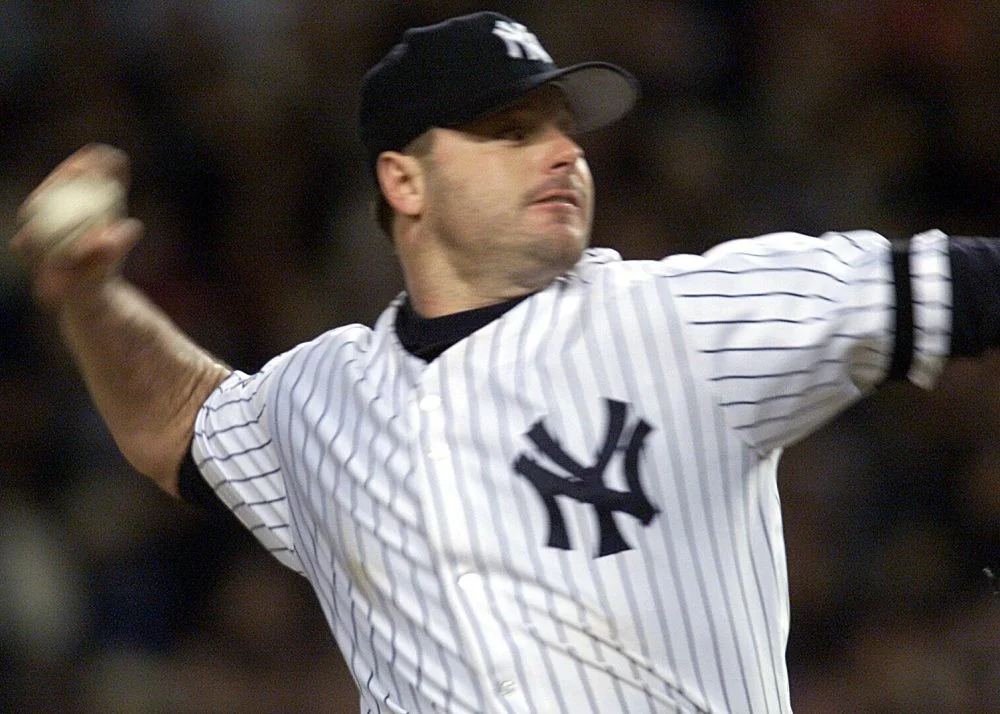
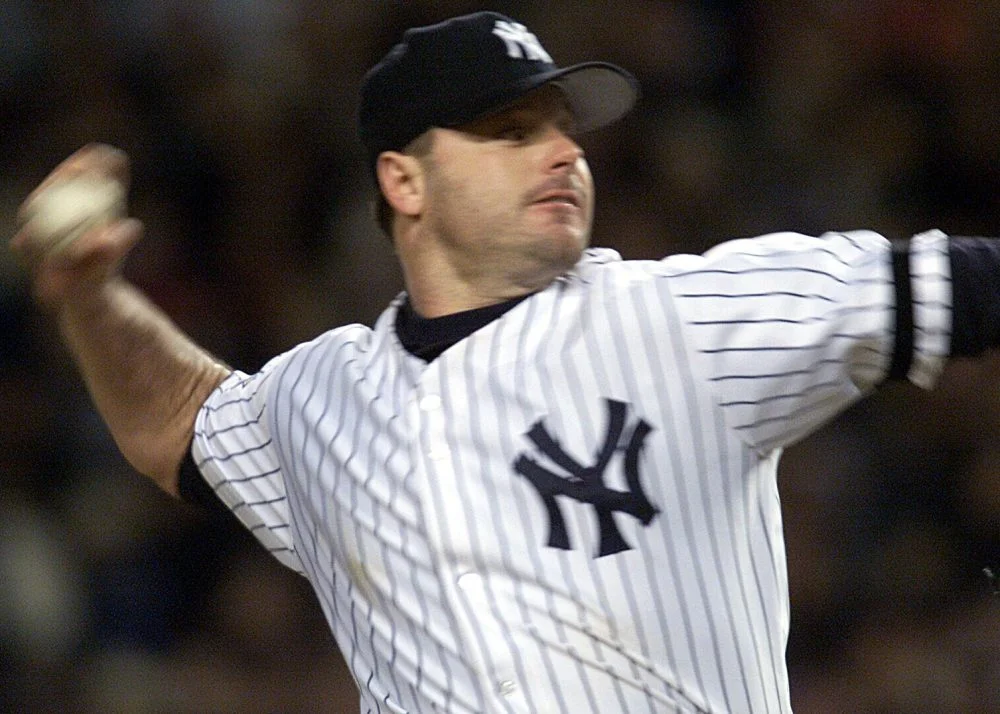
Image credit: USA TODAY Network via Reuters Connect
Every general manager answers to someone, but Brian Cashman's early job had a twist. Much of his oversight came from Tampa, and the instructions often arrived by speakerphone. Looking back at the 99-win champion that team became, that detail says more about the 1999 Yankees than the box score does. (And this is the part most people overlook: a championship roster can still be run by a chain of command that's hard to read from the outside.)
A front office run from a distance
Meddling owners are hardly new. Jim Crane and his proxy Jeff Bagwell have put a parade of executives through the Houston Astros' front office, and Bob Castellini and his son Phil have kept the Cincinnati Reds' decision-makers on a short leash. What set Cashman apart was the distance. He was the respected architect of baseball's most successful franchise, yet his authority came with a long-distance caveat.
Here's the thing: a GM is supposed to be the person who sees the roster clearly. When the owner's view comes through a phone line and a second opinion from the team's home base, the GM spends part of every day translating rather than deciding. That's a different job from the one most fans picture, and it's harder to do well. The source doesn't say how often those calls happened or what was said on them, so treat this as a pattern rather than a daily routine. Still, the basic structure is clear enough to matter.
Steinbrenner, Torre, and too many chiefs
George Steinbrenner remained the loudest voice in the building, and his temper was on display that spring. Darryl Strawberry had been left behind to continue treatment for colon cancer. When someone forgot to reserve a batting-practice pitcher for him, Steinbrenner ordered Cashman off a road trip and back to base for a dressing-down.
The Strawberry detail is the part that lands hardest. The arrangement existed because a player was receiving cancer treatment, and the missed pitcher was a logistics error, not a strategic one. Yet the response traveled straight to the top of the chain. That's the thing about a leader who wants to be involved in everything: small mistakes climb to the desk fast, and whoever sits beneath it absorbs the heat. Anyone who has worked for a demanding boss will recognize the pattern, even if the stakes are rarely this public.
Cashman also had other power centers to answer to. Joe Torre had earned real standing, but prostate surgery sidelined him early in the season, and bench coach Don Zimmer took over. Some of the club's moves that year look erratic, and that's because the Yankees were pulling in several directions at once. Steinbrenner summed it up that spring: "I guess we have too many chiefs and not enough Indians." He then did nothing to streamline the structure.
Torre's absence is a useful example. Managers carry a lot of institutional weight, and when one steps away mid-season, the people around him inherit both the lineup card and the politics. Zimmer's stint, handled by a bench coach, is the kind of arrangement that can run smoothly or leave everyone guessing about who's really in charge. The source points toward the second outcome. A club with too many voices rarely fails because of one bad decision. It fails through a slow buildup of mixed signals.
The demotion that never came
In September, reports said Cashman was being pushed aside in favor of Mark Newman, the vice president of player development and scouting. Was that real, or had Steinbrenner second-guessed himself? The Yankees had seen that kind of reversal before. In 2000, Newman was promoted to senior vice president of baseball operations, but he was based in Tampa, which raises the question of who actually outranked whom. Only Cashman can say for sure.
I'd be cautious about reading too much into a single September report. Front-office rumors often outrun the facts, and the source doesn't confirm a formal demotion. What it does show is that the org chart wasn't stable enough to settle the question on paper. That's the more interesting story. When titles, locations, and reporting lines don't line up neatly, everyone inside the building has to guess which signal counts.
Winning through the noise
None of the chaos stopped the team. The 1999 Yankees went 99-64 (.605) to finish first in the AL East, then beat the Texas Rangers in the ALDS, the Boston Red Sox in the ALCS, and the Atlanta Braves in the World Series. That's a rare mix of winning and dysfunction, and it's why the season reads as much as a story about the front office as about the lineup.
Winning in spite of internal friction is a strange kind of achievement. It doesn't appear in the standings, and it rarely gets credited to the person doing the translating. Still, a title team that survives this much noise has shown something about its foundation. Talent, preparation, and a clubhouse that could tune out the phone calls all count for something, even if none of them makes a headline.
My read: Cashman's early years were less about avoiding the phone calls than surviving them. That skill mattered as much as any trade he made. A GM can win a title while answering to people who never have to sit in the dugout, and 1999 proved it.
What this means beyond 1999
Here's the thing about long-distance management: it works until it doesn't. The source offers one season, one champion, and one set of recollections, which is a narrow data set for drawing broad lessons. I'd resist turning this into a universal rule about owners and their front offices.
If you're working inside an organization with a distant decision-maker, the useful takeaway isn't that owners should stay out of the way. It's that ambiguity has a cost, and whoever sits between the owner and the field usually pays it. That cost doesn't show up in the box score, which is why it's so easy to overlook. And yet it shapes which decisions get made and which ones quietly die.
Looking ahead, similar systems typically stay sensitive to the same pressure points: a clear chain of command, shared understanding of who owns which call, and one person who can make a decision without waiting on a phone line. I won't predict how any current organization will handle these issues. The 1999 Yankees show that talent can cover structural problems for a while. Whether that's a model or a warning depends on what you're trying to build.
Discussion
Sign in to join the discussion.