A $50 million MLB bonus pool is expected to skew toward a small group of decorated pre-arbitration players this year.
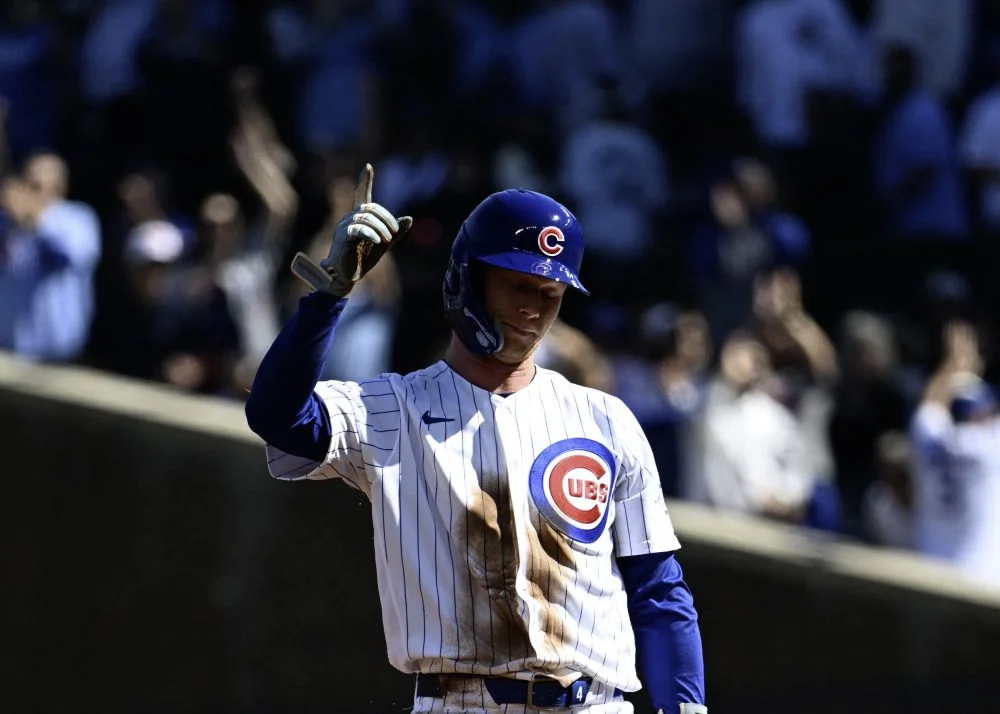
MLB’s $50 million pre-arbitration bonus pool is meant to give emerging players a share of the value they produce before they become eligible for arbitration. This year, a crowded awards field could send a disproportionate share to a small group of stars, leaving less for the broader group whose payouts depend on a performance formula. The tension is built into the design: the same pool rewards standout award finishes and distributes money across roughly 100 players.
The league typically announces the awards around the December Winter Meetings. That timing is likely to shift this offseason because of the coming lockout, though the awards themselves and the All-MLB teams are set to be settled by Nov. 12. The bonus results could follow the next week. That compressed schedule matters because the current collective bargaining agreement created the pool, leaving no previous lockout timeline to use as a guide.
There’s a practical reason to watch the timing: the announcement will show how the league handles a new compensation process under unusual scheduling conditions. The date alone won’t change the formula, but uncertainty about when the figures arrive makes the final allocation a less familiar part of the offseason.
How the pool is divided
Players who have yet to qualify for arbitration compete for a share of the $50 million. The system rewards finishes in MVP, Cy Young, Rookie of the Year and Relief Pitcher of the Year voting, as well as selection to an All-MLB first or second team. Those honors create fixed award bonuses, but a player can collect only one of them, even if they earn multiple honors.
That cap is central to how a crowded awards season affects the pool. A player with more than one qualifying achievement doesn’t stack fixed payments; the system limits that player to one. So the number of honors earned by a few stars doesn’t translate one-for-one into bonus checks, even if those players feature prominently across several ballots.
After the fixed payments, the remaining money goes to roughly the top 100 qualifying players. Each player’s share is apportioned according to their portion of the group’s combined Joint WAR, a measure that averages the WAR figures from Baseball-Reference and FanGraphs. In effect, the system combines an awards-based tier with a second distribution tied to on-field value as measured by two statistical sources.
That two-part structure has a clear tradeoff. Awards recognize a narrow set of highly visible finishes; the WAR calculation spreads the remaining dollars across a larger group. The size of the first set of payments determines how much money is left for the second.
A top-heavy year
The award bonuses are likely to claim a large portion of the pool before the Joint WAR distribution begins. That makes this season an unusual test of a system intended to direct money more broadly among pre-arbitration players. The numbers here could be underwhelming for players outside the award conversation if the fixed payments leave a smaller remainder than expected.
Parker Messick illustrates how the one-bonus rule works: a high finish in AL Cy Young voting would earn him a fixed bonus, while a top-two Rookie of the Year finish wouldn’t add another. His example makes the constraint tangible. Multiple paths to recognition can still produce only one fixed award payment.
And this is the part most people overlook: the eventual outcome depends not only on who wins awards, but also on how much remains after those payments and how the remaining amount compares with the qualifying players’ combined Joint WAR. A strong finish in the formula could still produce a smaller payment if the pool has already been drawn down. The final allocation should clarify that balance.
What the allocation will show
This is more significant than it looks. The pool is one way for pre-arbitration players to receive compensation tied to performance before they reach arbitration, and the split between fixed awards and the WAR formula will reveal how those goals interact in a crowded year. The awards reward exceptional individual recognition; the formula gives a wider group a claim on what remains.
If you’re working in this space, the key figure to watch isn’t just the total bonus pool, which is already set at $50 million. It’s the amount left for the WAR-based allocation after fixed payments are accounted for. That remainder will show how much room the system leaves for players who perform well across the season without collecting one of the named honors.
The figures are expected next week. The central question is how much of the pool will reach players through the performance-based WAR formula after a crowded slate of honors takes its share. A new schedule, a capped award bonus and a shared statistical measure. The final distribution will put all three parts of the system into view.
Discussion
Sign in to join the discussion.