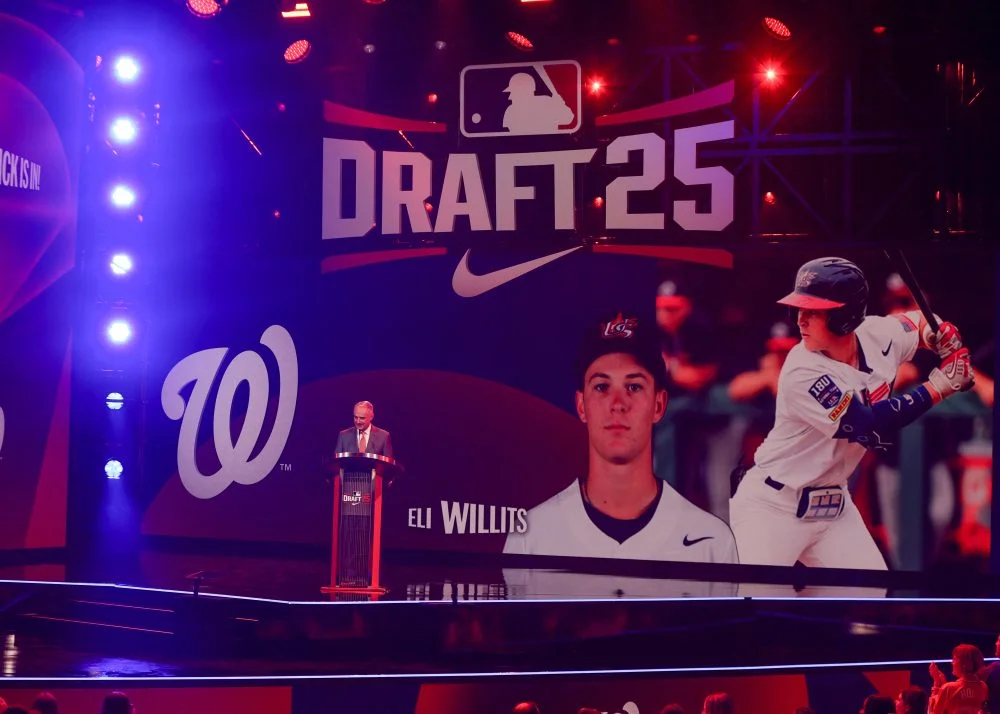
Abolishing the draft could give players a meaningful concession in salary cap talks by returning more control to young talent.
The stakes behind a hypothetical trade
The MLB draft may be one of the few established systems whose removal could meaningfully change the balance of power between teams and players. If owners ever wanted the players’ union to consider a salary cap, scrapping the draft could be a more consequential bargaining chip than the familiar proposals to raise minimum pay or shorten team control. That’s because the draft shapes who gets to choose an employer at the start of a career, when a player’s bargaining position is often at its weakest.
That’s a hypothetical, of course. The MLBPA has firmly rejected a salary cap, and there’s no sign it would trade that position for any concession. But the question is useful: what would owners have to give up to make a cap worth discussing? A cap would change the limits on what teams can spend, so the union would have reason to demand changes that reach beyond a higher paycheck for a narrow group of players.
The distinction matters. A concession can improve conditions at the margins while leaving the underlying allocation of power largely untouched. If owners want a system that limits payrolls, players could reasonably ask whether the bargain also gives them more freedom to choose where they work and when they can test the market.
Why familiar concessions may fall short
Common ideas include a generous salary floor, independent audits of league finances, a higher minimum salary and fewer years of team control. Each addresses a real pressure point. A higher minimum would increase earnings for players who spend limited time on major league rosters. Earlier free agency could help players reach the market while they’re younger and better positioned to secure larger contracts. A salary floor, meanwhile, could put pressure on clubs that spend comparatively little, though its effect would depend on how it’s designed and enforced.
Financial audits could answer questions about the information used in bargaining, but access to better information wouldn’t itself change the rules governing player movement or pay. The same is true of a higher minimum: it could matter a great deal to players near the bottom of the pay scale, while doing less to address the union’s broader objection to a cap. The details would matter, and so would the size of each concession.
Still, modest changes to those terms may leave the structure intact. Unless team control fell substantially—for example, from six years to four—the union could see an improved version of the current system without a meaningful shift in players’ leverage. That’s unlikely to overcome its opposition to a cap. A shorter period of control could have a larger effect, but it would also redistribute value between clubs and players in a way that a limited pay increase might not.
Owners, meanwhile, have strong reasons to want one. A cap could constrain payrolls while adding to the value of their franchises. Yet a deal that delivered those benefits would require concessions large enough to change how players enter and move through the sport. This is more significant than it looks: a cap isn’t just a limit on spending; it would reshape the bargaining framework around every player’s contract.
The draft as a bargaining chip
Removing the draft would be a striking place to start. The system limits a young player’s choice of employer and gives the team that selects him control over his initial professional destination. Ending it would hand more agency to incoming players, changing a familiar feature of baseball’s labor system. That change would be felt before a player reaches free agency, when his options and negotiating power are still developing.
That makes the idea more substantial than simply adjusting pay scales. The draft is deeply embedded in how clubs acquire young talent, so abolishing it would force teams to rethink that process. Similar systems typically give employers a structured way to allocate incoming talent; removing that structure would raise practical questions about how clubs compete to recruit players and how young players weigh their options. Those questions don’t make abolition impossible, but they show why the proposal would touch the sport’s operating model as well as its labor terms.
For players, though, the change would address a direct constraint on their ability to choose where they begin their careers. That’s a clear gain in agency, even if it wouldn’t guarantee higher earnings for every newcomer. The result would depend on the alternatives available to players and on the rules surrounding any replacement system. The draft’s removal could therefore be a major concession without being a complete answer to the union’s concerns.
Here’s the thing: the question isn’t whether the union would accept that trade. Its stated opposition to a salary cap remains clear, and any hypothetical bargain would have to include protections across several areas, including pay, team control and financial transparency. But considering the draft’s removal highlights the scale of the concessions owners might need to offer before a cap could even enter serious discussion. And this is the part most people overlook: a dramatic change to one part of the system wouldn’t automatically compensate players for restrictions imposed elsewhere.
What the proposal would signal
Abolishing the draft wouldn’t settle baseball’s labor dispute by itself. It would, however, put a major change to player agency on the table—one that signals owners are prepared to alter the system, rather than merely polish its existing terms. The difference between those approaches is central to any hypothetical bargain: players would need to judge whether a proposed cap comes with durable changes to how careers begin and progress.
If you’re working in this space, the useful question isn’t only how many dollars a proposed minimum or floor would add. It’s whether the package changes who holds meaningful choices, and at what point in a player’s career. A draft-free system could shift that balance early, while fewer years of team control could shift it later. Those reforms would have different effects, and combining them with a cap would make the bargain harder to assess.
For now, the draft’s abolition is best understood as a measure of scale, not a forecast. Owners would have to offer something with real consequences for their own control over the business of acquiring talent before the idea of a cap could plausibly be framed as a trade. Whether any such package would be acceptable to players is another matter. A substantial concession might open a conversation. It wouldn’t ensure one ends in agreement.
And yet. The draft’s place in the debate makes one point plain: a cap would ask players to accept a major limit, and familiar adjustments may not be enough to balance that demand.
Discussion
Sign in to join the discussion.