Romero’s strong postseason boosted his free agent outlook, but fading velocity and home run risk cloud his projection.
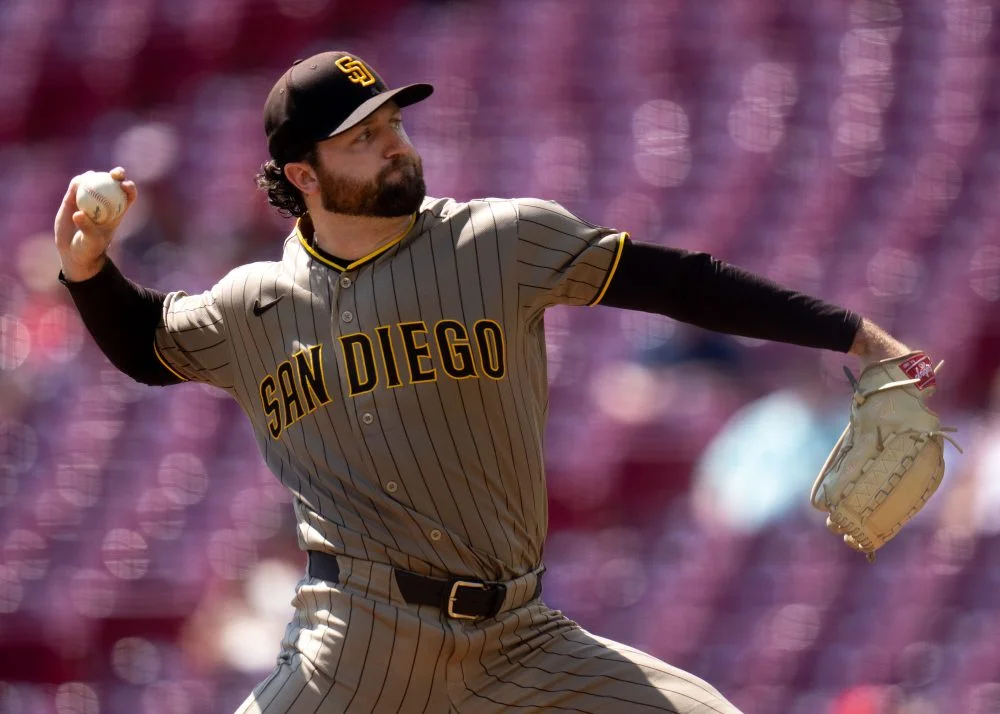
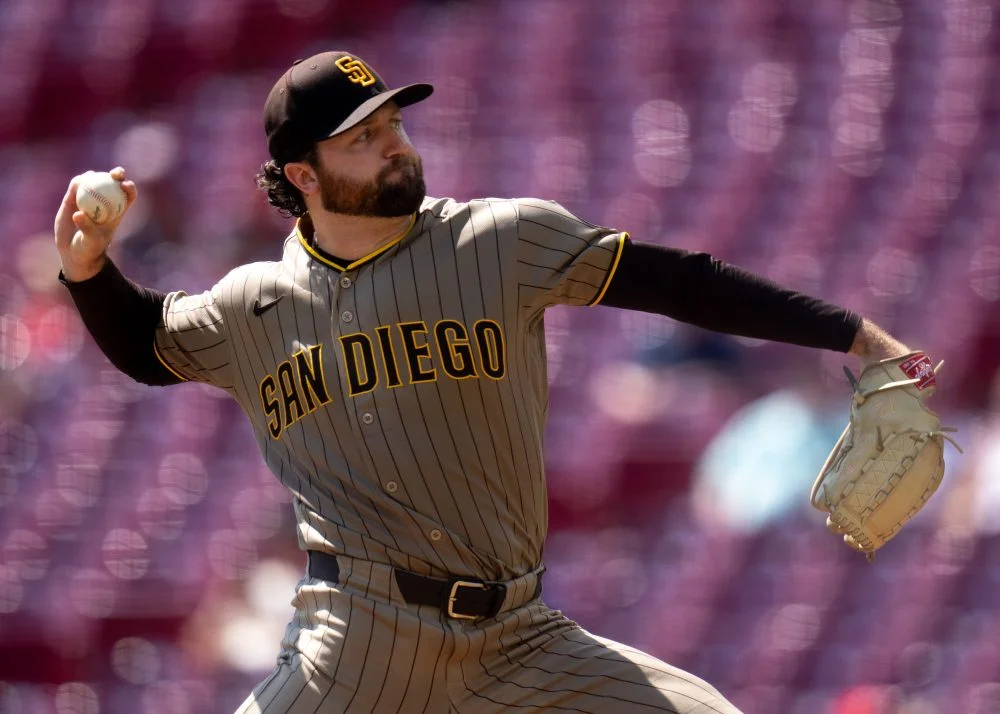
JoJo Romero’s October showing makes him an intriguing short-term relief option, though his 2027 outlook depends on whether he can keep his velocity from slipping. He ranks No. 50 in Baseball Prospectus’ 2027 free agent list, which evaluates expected near-term value without weighing contract cost. That distinction matters: the ranking is an assessment of what Romero might contribute on the field, not a judgment about what a team should pay to acquire him.
His case is a familiar one for a left-handed reliever: a useful track record, a strong postseason sample, and a late-season warning sign that could change how clubs view his role. October gives teams a reason to stay interested. The regular-season decline gives them a reason to ask how much of that finish is likely to carry over.
A strong finish after a difficult transition
Romero joined Milwaukee after several seasons of steady work with St. Louis, where he’d established himself as a dependable second left-hander. The Brewers expected his ground-ball approach to fit a strong defensive team. That fit made sense on paper: when a pitcher induces contact on the ground, the defense behind him can turn more of those balls into outs, while limiting some of the damage that comes from balls hit in the air.
His regular-season finish fell short of that expectation, but he rebounded in the postseason. Across eight innings, he improved his strikeout and walk rates and allowed just one run. Those results suggest he was able to execute more effectively when the games mattered, though eight innings remain a small sample and can’t settle questions raised by a longer stretch of uneven performance.
That playoff showing reinforces a track record of effectiveness spanning multiple seasons. It also helps offset concerns raised by his late-season results in Milwaukee, when he became more vulnerable to home runs. The contrast is useful, but it doesn’t offer a clean verdict: teams have to weigh the encouraging October performance against the possibility that the regular-season problems reflect a change in his underlying stuff.
Velocity is the swing factor
Romero’s contact-oriented style leaves little room for diminished stuff. Ground balls can make that approach work, but fly balls carry extra risk: the source analysis notes that he allowed a home run on roughly one out of every four fly balls. For a pitcher who depends on contact management, that rate makes the shape of the contact especially important. A ground ball can be manageable; a ball in the air can quickly turn into a much more costly outcome.
As his velocity faded late in the season, he missed fewer bats and more balls left the park. Those trends are connected: reduced velocity can make it harder to finish hitters, while also giving them more chances to lift the ball. The article doesn’t establish that velocity alone caused the home run increase, but it identifies a credible risk that teams will want to monitor.
If the velocity decline continues, Romero could lose ground quickly, slipping from a useful second left-hander to a less valuable third option. His postseason surge offers a counterpoint, but it doesn’t erase the regular-season warning signs. My read: he looks reliable enough for a short-term role if his stuff holds.
(And this is the part most people overlook.) A reliever’s value can shift with a fairly small change in role. A team may still want Romero as one left-handed option in a bullpen, while hesitating to rely on him in higher-leverage situations if the velocity and home run concerns persist.
2026 results and 2027 projection
Romero logged 56.3 innings for Milwaukee in 2026, with a 3.36 ERA, a 1.22 WHIP, an 80 DRA- and 0.8 WARP. PECOTA projects a 21.9% strikeout rate, a 9% walk rate, a 2.1% home run rate and an 89 DRA- for 2027. The past results describe a useful season by several measures, while the projection points to a pitcher expected to remain effective. Neither line answers the central question about whether his velocity will hold.
Those figures are best read together rather than as a single verdict. The ERA and WHIP provide a compact view of his results, while the strikeout, walk and home run projections indicate what PECOTA expects from his underlying performance. The projected 89 DRA- is also a signal that the model sees him as better than the reference level used by that measure. Still, projections can describe a likely range of performance without explaining how a pitcher’s role might change if his stuff declines.
What the ranking does—and doesn’t—say
The free agent rankings are being published in three installments, starting with players ranked 50 through 33, followed by the middle third on Wednesday and the top group on Friday. The authors say their rankings were set before the signing window opened; they’re focused on projected 2027 production, not contract size or the timing of signings. That makes the list a snapshot of player value under a specific framework, rather than a forecast of which team will make the best offer.
Only eight players received qualifying offers this season, a factor that could shape predicted destinations. That detail affects how the publication approaches its guesses, but it doesn’t alter Romero’s performance indicators. If you’re working in this space, the distinction is useful: the projection concerns his expected contribution, while landing-place guesses and contract considerations involve other judgments.
The ranking’s three landing-place guesses for Romero are the Texas Rangers from Patrick, the New York Mets from Bryan and the Miami Marlins from Randy, the publication’s random-number generator. The spread of those guesses underscores how open his destination remains in the article’s framework. They’re possibilities attached to the ranking, not evidence that any of the clubs has made a move.
The question for 2027
Romero’s profile is compelling in a narrow, practical way. He has a multi-season record of effectiveness, an encouraging postseason finish and projected numbers that point to continued value. At the same time, the late-season combination of fading velocity, fewer missed bats and greater home run vulnerability is difficult to dismiss. This is more significant than it looks because each warning sign bears directly on the approach that has made him useful.
And yet, one strong October run leaves room for a more favorable reading. A team considering him as a short-term relief option can reasonably see upside if the postseason version of Romero is closer to his normal form. The unresolved issue is whether that performance can last over a larger sample.
Wherever he signs, Romero’s value will likely turn on one practical question: can he keep generating enough ground balls and missed bats to contain the home run risk? There’s no certainty in the available figures. For now, the projection offers a reason to remain interested, while the velocity trend sets the terms of the bet.
Discussion
Sign in to join the discussion.