A detailed look at the pitching matchup and strategies in Game 1 of the ALDS between the Chicago White Sox and Cleveland Guardians.
Chicago White Sox (4) at Cleveland Guardians (2), 1:00 PM ET
CHW: LHP Hagen Smith (3-3, 1.29 ERA, 79 DRA-), CLE: LHP Parker Messick (12-9, 2.56 ERA, 77 DRA-)
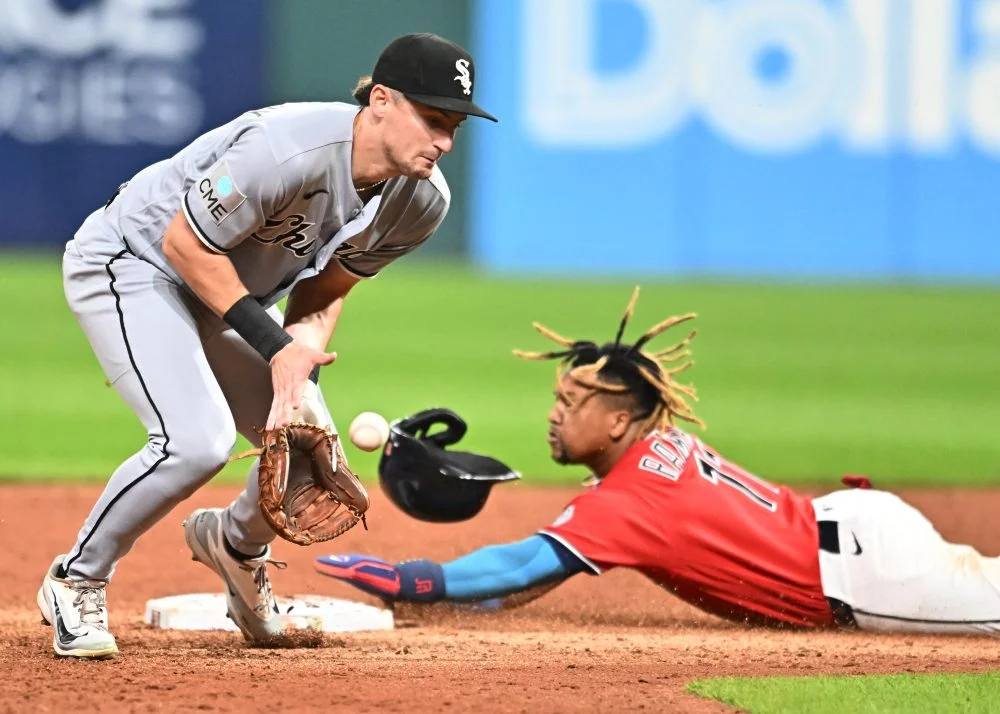
As the White Sox gear up for Game 1 against the Guardians, the unexpected pitching match-up of Parker Messick versus Hagen Smith sets the stage for an intriguing showdown. While Messick has emerged as a reliable starter after a promising performance in 2025, Smith's unconventional journey from Double-A to the postseason spotlight presents a fascinating narrative. This isn’t just another game; it’s a chance for both pitchers to showcase their distinct skills on a significant platform, each facing pressure of playoff intensity.
Parker Messick's Pitching Style
Messick's success can be attributed to his exceptional command combined with a diverse pitch arsenal. Working primarily in the low-90s with his fastballs, his ability to manipulate pitch movement makes him particularly effective on the mound. Messick employs a mix of six pitches, keeping hitters constantly questioning what’s coming next. His changeup and curveball become essential tools in his toolbox, allowing him to exploit batters' weaknesses with precision, especially when executing low pitches. This has proven effective throughout the season, where strategic placement has consistently played a pivotal role in his success.
Statistically, his pitches demonstrate significant effectiveness, supported by metrics from PitchPro. The high repeatability of his mechanics enhances his ability to mislead hitters, enabling them to struggle identifying pitch types and movements. Observers should anticipate a calculated game plan from Messick: he might lean on his four-seam fastball but will likely vary his slider usage based on opposing left-handed and right-handed batters. His adaptability in adjusting pitch selection is critical, especially when facing a batting order known for its ability to capitalize on mistakes.
Hagen Smith's Approach
In contrast, Hagen Smith brings a different dynamic to the mound. He relies heavily on his fastball and slider, a strategy that appears straightforward yet has been effective for him. Given his limited experience in starting roles, the White Sox will likely use him for a short outing—a tactical choice aimed at maximizing his effectiveness without risking overexertion early in the game. This approach acknowledges both his talent and the calculated risk that postseason games demand.
Despite encountering walk issues throughout the season, Smith has shown marked improvement, particularly in Triple-A, where he managed to lower his walk rate. His strength lies in fastball command, allowing him to control the game’s pace effectively while setting up the bullpen for greater flexibility later on. Keeping things simple is crucial for Smith as he faces the Guardians' lineup, renowned for their ability to pounce on any errors. (And this is the part most people overlook.) If he can avoid walks and keep hitters off balance, he might just surprise those who doubt his postseason readiness.
Strategic Implications
Both teams face critical decisions regarding their pitching strategies in this contest. For the Guardians, harnessing Messick's strengths while remaining adaptable is essential, especially against a White Sox lineup eager to exploit any perceived weakness. The Guardians might need to customize their batting strategies according to the pitch patterns Messick displays, emphasizing on-the-fly adjustments to counter his repertoire and maintain scoring opportunities.
On the flip side, the White Sox must make the most of Smith's initial appearances and manage his innings diligently. Their ability to deploy various relief options can create advantageous matchups against the Guardians’ hitters. While the depth of their rotation is questionable, the pitching staff’s adaptability offers an aggressive strategy that prioritizes quick outs and mitigates scoring opportunities. The need for shrewd decision-making from the coaching staff could spell the difference between advancing in the playoffs or an early exit.
Future Outlook and Significance
As these two teams meet in a pivotal postseason game, the interplay between their pitching styles and strategies carries more weight than many might realize. The outcome of Game 1 could set the tone for the entire series, making early decisions by both managers particularly consequential. If Chicago can exploit any weaknesses in Messick's performance early, it may lead to a shift in momentum. Conversely, if Messick establishes himself early, it could bolster Cleveland's confidence throughout the series.
For the players involved, this game is more than just statistics; it’s about legacy. Especially for pitching prospects like Smith and established talents like Messick, everyone's watching. The implications extend beyond this match; they can shape career trajectories and redefine how teams view their pitching rotations. If you’re working in this space, consider how the performances in this game could echo for years, influencing player evaluations, trades, and even team strategies in the following seasons.
Discussion
Sign in to join the discussion.