Explore the evolving strategies and insights into FAAB bidding for TGFBI 2026, highlighting key player acquisitions and their implications.
As the 2026 TGFBI season progresses, the dynamics of Free Agent Acquisition Budget (FAAB) management are proving to be crucial for fantasy team success. In this recent round of bidding, strategic decisions around player acquisitions have highlighted emerging trends and the importance of timely moves. The FAAB system, which allows team managers to bid on unclaimed players each week, has become an essential element of fantasy sports strategy; it differentiates serious competitors from casual players.
Key Bidding Insights
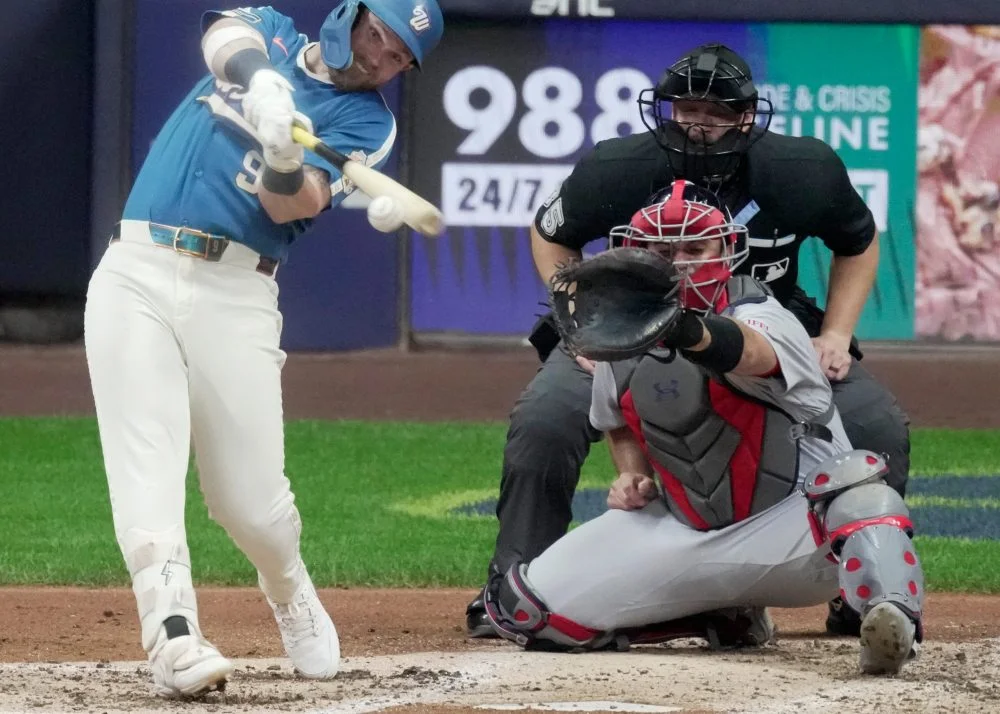
Players like Jake Fraley and Tyler O’Neill drew significant bids, reflecting their potential to make impactful contributions as the postseason approaches. Bidders appear increasingly willing to invest heavily in players who can deliver immediate results. This willingness to spend is indicative of a broader trend where the urgency of playoff positioning drives managers to prioritize players showing promise based on recent performance over long-term projections. As the regular season wanes, the pressure mounts—teams know that every game counts, and those critical weeks can determine their playoff fates.
What's also interesting is the shift in target demographics among successful bidders. The data suggests that managers are looking beyond household names and increasingly focusing on up-and-coming talents. This can be attributed to a greater understanding of player metrics and analytics, which can offer deeper insights than traditional stats alone. Players who may not have buzz surrounding them can often deliver just as much impact, if not more, due to their current form and favorable matchups.
Strategies Moving Forward
It's evident that adaptive strategies will dominate FAAB decisions in the coming weeks. Managers are not just targeting big names; they're also factoring in underlying performance metrics and matchups, indicating a shift towards a more analytical approach in roster construction. Advanced statistics, like expected on-base percentage (xOBP) or percentage of hard-hit balls, play a pivotal role in evaluating players who might be undervalued during bidding wars. Critically, knowing when to hold back on a bid is just as important as when to go all in.
If you're working in this space, you probably already recognize that data analytics have transformed how fantasy teams are built and managed. Targeting players with favorable matchups this late in the season becomes more than just guesswork; it requires nuanced judgment based on availability, form, injuries, and even weather conditions. For instance, a player hitting in a hitter-friendly park against a struggling pitcher offers enticing value that can pay off quickly. The decisions made right now could lead to either a tremendous advantage or a regrettable misstep.
There's also an emerging trend of cross-league strategies, with fantasy managers in different formats—like rotisserie or head-to-head—looking at FAAB strategies in novel ways. Competition nuances in these formats can influence the bidding climate. In a head-to-head league, the urgency peaks as one might prioritize immediate wins over long-term potential, while rotisserie players generally adopt a more balanced approach, considering season-long value alongside current performance.
This is more significant than it looks. The FAAB method encourages managers to remain actively engaged throughout the season. If you've been watching closely, you'll realize that successful managers are those who continuously evaluate players’ performance trends and adjust their strategies accordingly. With the playoffs looming, fantasy managers must embrace flexibility in their bidding strategies, weighing short-term gains against potential long-term implications for their teams. It's one thing to pick the right player; it's another to manage that player effectively as circumstances change week to week.
Implications and Future Outlook
In an environment where there's so much analytical data available, the implications of these FAAB decisions extend beyond simply winning a fantasy league. They reflect broader trends in sports management, where data-driven decision-making is increasingly essential. As more managers adopt sophisticated metrics and analytics, teams could become more competitive, resulting in a more tightly contested league across the board. The effect will be far-reaching, necessitating that even traditionally successful managers continually evolve their strategies to keep pace.
The near future of FAAB decisions will likely feature even more emphasis on leveraging data analytics. We're starting to see technology-driven tools and platforms that offer stats, insights, and player breakdowns quicker and more efficiently—all aimed at helping managers make timely and informed decisions. Think of how this could transform bidding strategies. Some might argue the player pool could become more homogenized, as everyone gains access to the same information, but that also raises the stakes. Initiative and intuition might advance to become key differentiators.
As we head into the climax of the season, expect to see bidding wars intensifying, with players’ market values fluctuating based on performance as well as situational factors like injuries or matchup changes. This volatility adds yet another layer of complexity for fantasy managers. A successful strategy requires not just sophisticated analytical skills but also an understanding of the emotional and psychological aspects of your competitors. The next phase of the 2026 TGFBI season might just reveal who thrives when the pressure peaks, emphasizing that while data informs decisions, human instinct often dictates them.
Discussion
Sign in to join the discussion.