Following the latest round of player trades, several new talents have emerged on the waiver wire that fantasy managers should closely monitor. The implications of these additions could reshape team dynamics as we head into the final leg of the season.
The Waiver Wire's New Talent: Angel Genao
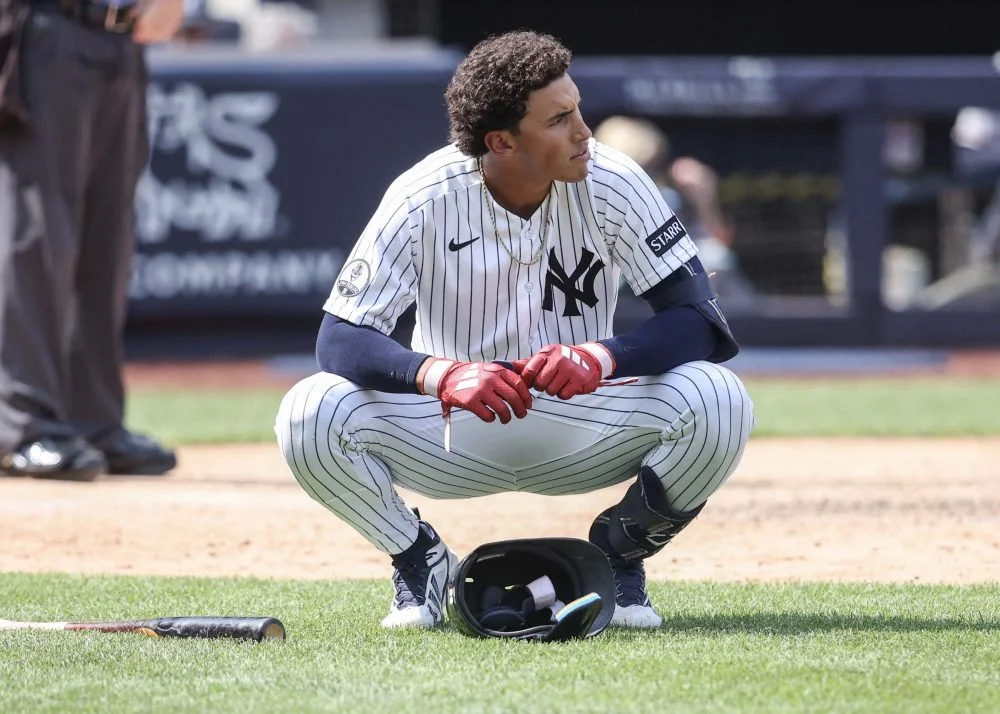
One notable addition comes in the form of Angel Genao, who has quickly adapted to his new environment. Genao's initial games display a stat line that reflects immediate impact, hinting at his potential for valuable contributions down the stretch. Given the competitive nature of fantasy leagues, finding players who can make a difference as the season progresses becomes increasingly vital.
Fantasy managers often chase stats while ignoring the broader context. Evaluating players like Genao requires scrutinizing their recent playing time alongside performance metrics. If you're working in this space, remember, it’s not just about whether a player’s hitting well but how often they're actually on the field. A player can be a statistical standout yet still not see enough action to influence your fantasy team meaningfully. That's the reality, and it can make or break a fantasy season.
For Genao, the real test will be maintaining performance consistency while adapting to a new team culture and dynamics. Players often face challenges when traded mid-season, but if he can find his groove, he may become a cornerstone for fantasy managers looking to secure wins.
Navigating Strategic Depth: Balancing Roster Needs
And yet, amidst the excitement of new talent, maintaining strategic depth on your roster remains imperative. In a dynamic environment where player performance can fluctuate dramatically from week to week, prioritizing acquisitions that align with your team's strengths and weaknesses cannot be overstated.
Your roster's composition should influence your waiver wire strategy. Assessing who fits well into your lineup can often be the difference between winning and losing in tight matchups. It’s about optimizing synergies rather than accumulating talent for talent's sake. This could mean targeting pitchers if your rotation is struggling, or seeking out hitting depth if injuries have decimated your offense.
Consider this week's recommendations as you make transactions. The MLB season is nuanced, marked by injuries and player slumps that can shift the tides unexpectedly. The landscape of possibilities becomes dire when teams fail to adapt quickly. Fantasy managers will have to be vigilant as matchups become increasingly critical.
The Broader Context: Fantasy Management Skills
This season is reflective of a larger trend in fantasy sports management—teams aren't just adjusting their rosters; they're engaging in a war of attrition. Given the unpredictable nature of team performance, anticipating trends and understanding player movement is pivotal. The ability to make informed decisions is what separates successful fantasy managers from those who fall short.
Relying strictly on statistics can set you up for failure. You might miss broader scenarios like team chemistry or upcoming opponents' strengths and weaknesses. Fantasy managers must cultivate a deep understanding of player roles within their teams. There are often players who may not stand out on the stats sheet but can provide necessary support in clutch scenarios. Factor in this human element, and you might just find that hidden gem. (And this is the part most people overlook)
Looking Ahead: Implications of Player Movement
The implications of recent player trades extend beyond immediate performance. Player movement often serves as an indicator of team strategies and goals—whether they are aiming for a playoff run or merely playing for pride. Understanding these motivations can give fantasy managers an edge in projections and potential contributions from newly acquired players.
For instance, a team in a rebuilding phase may opt to play younger players, leading to altered dynamics that current managers must navigate. This situation leads to opportunities for fantasy managers to capitalize on as fresh talent gets its chance to shine. Conversely, contenders may settle on established players who can contribute consistently, enhancing their chances of post-season success.
This ebb and flow of player roles will likely set the tone for how the rest of the season unfolds. Managers need to keep their fingers on the pulse, evaluating not just statistical performance but the underlying reasons behind trades and movements. Interested in staying competitive? Study trends, and understand who to pick and who to avoid as this season reaches its conclusion.
Discussion
Sign in to join the discussion.