Discover key terms and standout players shaping the 2026 fantasy baseball season, along with insights for informed decision-making.
In the dynamic sphere of fantasy baseball for 2026, understanding the terminology is as vital as recognizing the players. From “P” representing not just Pete but also MVP candidates to the intricate statistics that can make or break a fantasy team, it’s essential to stay informed. The choices made during drafts and trades hinge on an accurate grasp of player value and potential, empowering fantasy managers to excel.
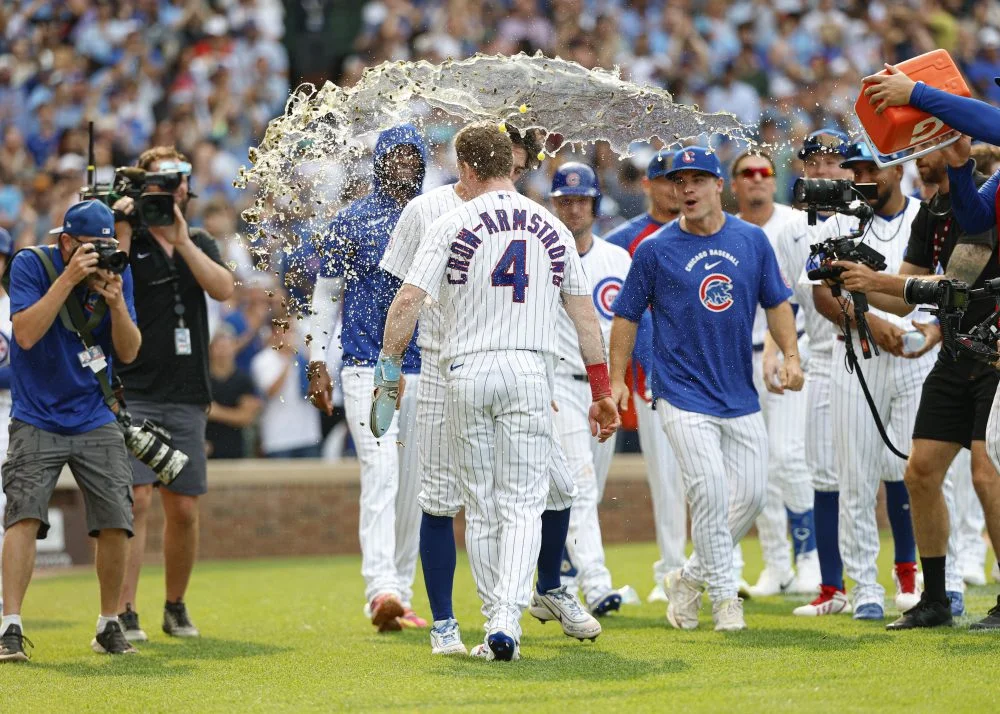
Image credit: © Kamil Krzaczynski - Imagn Images
Full access to this article is for Premium Baseball Prospectus subscribers.
Sign up today to access insightful analysis tailored for serious baseball fans.
The Importance of Terminology in Fantasy Sports
The world of fantasy baseball is layered with complexities that go beyond just the current season’s players. Terms like “P,” referring to both pitchers and players, form the foundation of a comprehensive understanding for anyone hoping to navigate the competitive aspects of the game. As the landscape of player analysis continues to evolve, it's increasingly critical for players to familiarize themselves with a terminology that's both expansive and often nuanced.
In many ways, the lexicon used by fantasy baseball enthusiasts serves as a shorthand for broader concepts. For instance, understanding what constitutes a “sleeper” player versus a “bust” is necessary for making strategic decisions. A “sleeper” is someone projected to perform better than expected, while a “bust” is often someone who is expected to have a strong season but fails to deliver. With the average fan bombarded by statistics, grasping these terms means they won't lose out on drafting potential stars simply because they misread the jargon.
Understanding Player Value and Performance Metrics
In a sport defined by its statistics, player evaluations can be extraordinarily complex. Metrics like WAR (Wins Above Replacement), FIP (Fielding Independent Pitching), and OBP (On-Base Percentage) are just the tip of the iceberg. These figures offer insight into a player's contribution to their team's success, but they can also intimidate newcomers. What’s essential is distinguishing between traditional stats, such as batting average or home runs, and advanced metrics that root deeper into performance analytics.
The trend toward embracing Sabermetrics—a field dedicated to the empirical analysis of baseball—means that fantasy managers must navigate both old and new metrics. Success hinges on evaluating player performance not just on past achievements, but also on predictive stats that can signal future outcomes. You may wonder: Where does one even begin in this labyrinth of data? For most players, educating themselves on the significance of these metrics serves as the first step toward mastering their roster selections.
Drafts, Trades, and Strategic Decision-making
The draft is arguably the most pivotal moment in a fantasy baseball season. It’s where rosters are built and potential championship runs begin. Early decisions can dictate not just immediate success, but long-term standings as well. Knowing player value—a combination of performance metrics, previous stats, and injury risks—will shape the choices managers make during this crucial time.
Traditionally, first-round picks are heavy hitters or high-performing pitchers, but strategies vary widely across leagues. For instance, some managers might prioritize starting pitchers early in a draft, while others avoid this in favor for position players. The "zero-RB" strategy in football offers a good parallel here; it suggests that sometimes waiting on certain positions can yield greater benefits when others overreach. Fantasy baseball thrives on this kind of strategy, emphasizing critical thinking and adaptability during the draft process.
Trades can offer the lifeline your fantasy season desperately needs. They require understanding not only your team’s needs but also the market value of the players involved. The folly of overvaluing a star player based solely on name recognition can be tempting, but managers need to weigh that against a player’s current form and potential for future production.
The Role of Injuries and Player Updates
In any sports season, injuries loom large. In fantasy baseball, a key player sidelined can destabilize months of carefully planned strategy. Staying alert to news about a player’s health—whether that's a sprained ankle or elbow tightness—can have significant implications for your roster decisions. This is where real-time updates become important.
In 2026, technology offers better tools than ever for tracking injuries, thanks to advancements in sports science and analytics. When you can get near-instant notifications about a player’s status, your response time in making decisions increases dramatically. The focus isn't solely on drafting players with stellar histories; it’s about building depth into your roster to account for the unexpected.
And this is the part most people overlook: understanding injury risks through data-driven insights can save your season. Relying solely on gut feelings without considering statistical context often leads to regret when a favorite player goes down just days before the postseason.
Future Outlook: What’s Next for Fantasy Baseball?
The digital transformation has redefined how fantasy sports operate, impacting everything from player selection to real-time management. As game-changing technologies like AR (Augmented Reality) and AI (Artificial Intelligence) emerge, we might see them integrated into fantasy sports platforms in remarkable ways. This could fundamentally alter how we conceive team lineups, drafting strategies, and statistical analysis.
If you're working in this space—or even a casual player—it's important to stay ahead of the innovations. Expect an increasingly interactive, data-rich environment where AI might even suggest optimal trades or lineups tailored to player-specific metrics. The implications for traditional fantasy league structures could be profound, fostering deeper engagement while also raising new questions about competitive fairness.
It's a fascinating time for fan engagement and performance analytics, and whether you're a casual player or a seasoned pro, adapting to changes will be necessary. The future of fantasy baseball is poised for an evolution backed by cutting-edge technology, and understanding the terminology and complexities behind the sport is just the first step in capitalizing on these advancements.
Discussion
Sign in to join the discussion.