Junior Caminero is leveraging the new strike zone to enhance his performance, showcasing impressive adaptability and power at the plate.
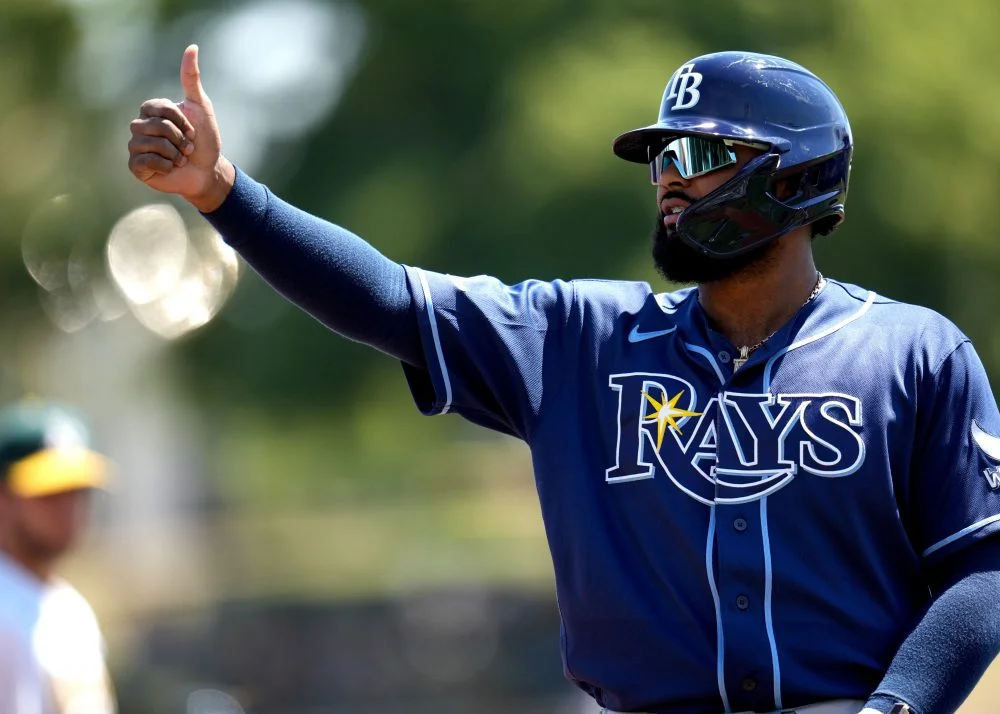
Junior Caminero, the talented Tampa Bay Rays slugger, is effectively capitalizing on the recent adjustments to the strike zone. By fine-tuning his approach at the plate, he's transformed his hitting strategy into a powerful offensive weapon. This strategic evolution is a critical focal point as teams adapt to new regulations that significantly impact gameplay dynamics, especially within Major League Baseball (MLB).
Mastering the New Strike Zone
With modifications to the strike zone implemented, Caminero is embracing the opportunity to elevate his performance. The new guidelines have led to high-stakes adjustments that change how hitters approach the plate. Instead of relying solely on traditional hitting techniques, he’s adjusting his swing and timing, allowing him to harness the advantage of what many players find challenging. Swing mechanics have become a pivotal area of focus, with players increasingly looking to understand how these adjustments can optimize their batting average. Many hitters often struggle with the nuances of an altered strike zone, making Caminero's success quite noteworthy.
Notable Performance Metrics
His swing speed and on-base abilities have notably improved. Statistics reflect a marked increase in his slugging percentage, showcasing how his ability to navigate the newly defined zones is paying off. The league is seeing a shift; with changes to the strike zone pushing players to refine their techniques. Caminero's adaptability reflects a broader trend among players learning to adjust to evolving rules and formats. Those who thrive in this new environment may find themselves not only bolstering their stats but also influencing the evolving paradigm of hitting strategies across MLB. For example, hitters are now actively developing a more selective approach to determine which pitches to swing at, enhancing their chances of making solid contact.
The Impact on Team Dynamics
This evolution not only enhances Caminero's personal game but also significantly contributes to the Rays' offensive capabilities. As pitching staffs become more aggressive with their strategies, players like Caminero are central to balancing those efforts with their own tactical prowess. Each game illustrates how vital his approach is to the team's overall success. His performance exerts pressure on opposing pitchers, often forcing them to rethink their strategies. As the Rays face increasingly sophisticated pitching tactics, a player adept at exploiting the nuances of the strike zone can be a linchpin in any offensive strategy. There’s a kind of synergy that develops among players when one excels, prompting a collective uplift that benefits everyone on the roster.
Adjustments and Challenges
Caminero’s success isn't just about hitting home runs or achieving high batting averages. It’s about the underlying adjustments he’s making to tackle the evolving challenges of an altered game. In an environment where umpires enforce new guidelines, players must calibrate their timing and footwork, fine-tuning every aspect of their approach. This requires not only physical adjustments but also mental fortitude. Adapting to a new strike zone can feel overwhelming, particularly when pitchers are each experimenting with new angles and velocities to find the best way to challenge hitters.
Industry Context: Historical Perspective
Looking back, this is not the first time MLB has altered rules that shape gameplay. For instance, the introduction of the designated hitter or the crackdown on foreign substances shows how responsive the league can be to both player performance and fan engagement. Each adjustment has cascading effects, reshaping team strategies and influencing player development. Past examples reveal that hitters who adapt quicker often lead the charge in both personal and team success, indicating that those who can pivot will inevitably gain a competitive edge.
Player Development and Training
If you're working in this space, consider how player development programs are embracing technology and analytics to guide their training regimens. The ability to capture data on swing mechanics, pitch recognition, and reaction times means that players can refine their strategies based on real-time feedback. This tech-driven approach is reshaping not only how players like Caminero approach the game but also how teams build their rosters. Analytics departments play an increasingly critical role in identifying talent who can make these transitions successfully.
Implications for the Future
The implications of Caminero’s adjustments extend beyond the field. He exemplifies a coming generation of players who are likely to benefit from a blend of traditional skills and modern analytics. This new breed of athlete understands the importance of adaptability, preparing them to thrive amid constant changes in gameplay regulations. The shift in the strike zone may also encourage teams to prioritize certain attributes when scouting for future talent. There's a looming question: will these adjustments redefine the benchmarks by which we measure success in hitters? It’s a fascinating period in the league, with the balance of power among players shifting subtly but significantly.
Discussion
Sign in to join the discussion.