Explore the evolving dynamics of MLB catchers in 2026, highlighting notable player performances and their implications for teams.
In 2026, the role of catchers in Major League Baseball continues to shift, showcasing both offensive highlights and defensive challenges. Notably, players like Carson Kelly and Jake Rogers are making significant contributions, which reflects a broader trend of catchers becoming more integral to their teams’ success. The pivotal evolution of this position not only highlights individual talent but also raises questions about how teams construct their rosters and strategize for games. This isn't just a passing change; it's reshaping how we think about the game.
Player Highlights
Carson Kelly, who has shown remarkable growth this season, leads with a strong offensive output, demonstrating improved power and batting average. His development is a vital asset for the Diamondbacks as they push for a playoff spot. It's rare to see a catcher excel offensively, but Kelly's numbers indicate he’s breaking that mold. His versatility—capable of handling both bat and glove—places him in a unique position among his peers. Meanwhile, Jake Rogers's defensive skills and ability to handle pitching staffs have solidified his role within the Tigers, emphasizing the necessity of a well-rounded catcher in today's game. Rogers brings a unique blend of game management alongside his defensive acumen; if you've watched closely, you'll notice how he effectively guides pitchers through tough situations. Catchers these days are more than just backstops; they’re often the unsung heroes behind a team's pitching success.
The Evolving Role of Catchers
Historically, catchers were primarily viewed as defensive stalwarts, often known for their ability to block pitches and throw out base stealers. Their offensive contributions were typically considered secondary. However, the increasing emphasis on analytics and offensive production in recent years has broadened the expectations for this position. A catcher who swings a potent bat can significantly enhance an offense, especially in a league where runs can be hard to come by. This shift is pivotal: teams are now considering the catcher position as much a factor in run production as any key infield or outfield player.
Moreover, catchers' roles have evolved with the game’s pace. In a high-speed, high-pressure environment, catchers must now juggle communicating strategic nuances with their pitchers while also preparing for the moments when they're called upon offensively. This dual responsibility necessitates a higher level of intelligence and adaptability than ever before. Carson Kelly and Jake Rogers are prime examples of players stepping up to this challenge, evolving both their skill sets and their overall mental approach to the game.
Implications for Teams
As teams assess their rosters, understanding the evolving skill set of catchers becomes critical. With the demands for offensive production rising, franchises may look to pivot strategies, balancing defensive expertise against the need for bats that can contribute significantly in tight games. If you're working in this space, it’s essential to monitor how each team prioritizes these skills. Teams may start investing in catchers who can handle high-pressure situations offensively while still maintaining a solid defensive presence. In a league so heavily influenced by analytics, the dual threat becomes an appealing marker of success.
This ongoing transition underscores a growing realization: catchers aren't just backstops; they are pivotal players who can influence a game's outcome through both batting and defensive prowess. What this means for management is clear: they need to re-evaluate how they identify and develop catchers within their systems. For example, clubs might be more inclined to draft players with offensive potential higher in the draft if they fit the mold of the modern catcher. The evolution won’t be immediate—it requires adaptation and a rethink of traditional scouting metrics.
Strategic Considerations for the Future
Looking ahead, the implications of these changing expectations could redefine the catcher position for several years to come. Teams that are adept at spotting this talent—players who not only excel behind the plate but can also drive in runs—will likely gain the upper hand in competitive scenarios. We could see a wave of catchers entering the league who are built on these principles, where offensive production could become the standard rather than an exception.
Moreover, training regimens for catchers may need to evolve in tandem. Traditional catching drills that emphasize solely defensive skills might not cut it anymore; a contemporary approach will likely have to emphasize swing mechanics and situational hitting just as much. This shift is significant because it impacts player development at all levels, not just in the major leagues. And don’t overlook how such changes could ripple back to collegiate and youth leagues.
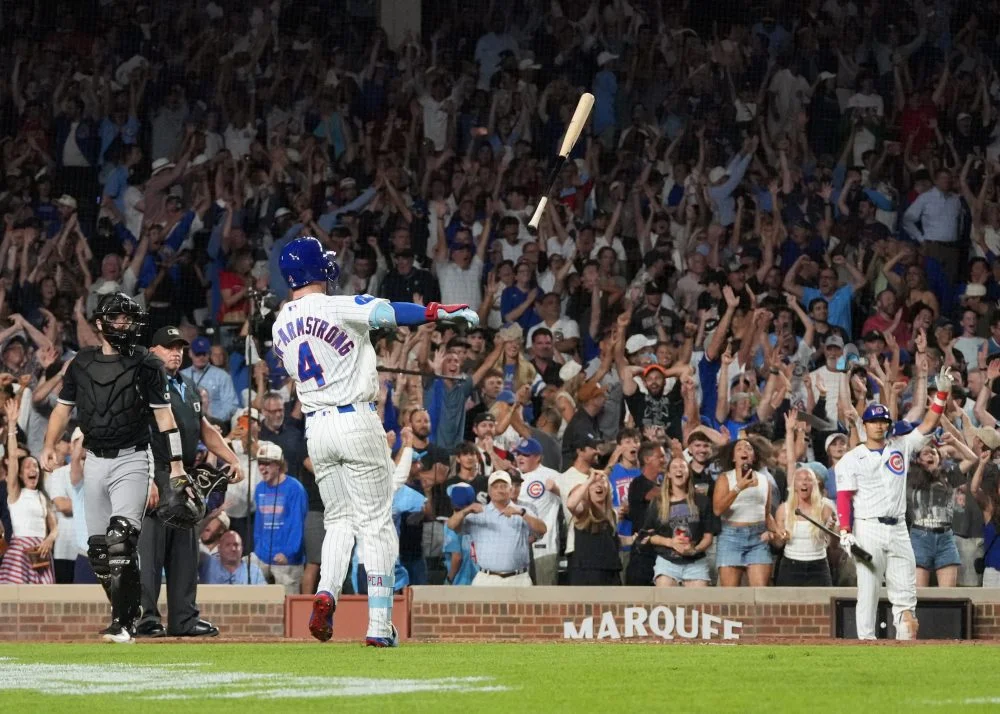
But amid the excitement, there's a degree of skepticism in fully embracing this dual approach. Teams may rush to prioritize offensive stats without ensuring the defensive capabilities remain intact. The balance isn't easy to achieve. Just look at previous examples where teams got overly focused on one facet of player development and suffered later due to a lack of well-rounded skills. One dimension can’t overshadow the other, or else a franchise's success could be compromised.
This evolving narrative is just a glimpse into where catchers are headed—an evolution that has ramifications for team strategies, player training, and fan expectations alike. As Carson Kelly and Jake Rogers illustrate, teams willing to adapt to this new reality will not only enhance their chances of winning today but will likely shape the future of baseball strategy.
Discussion
Sign in to join the discussion.