Carson Benge delivered a 4.3 WAR rookie season, but his contact profile and high batting average on balls in play raise questions about how much will carry forward.
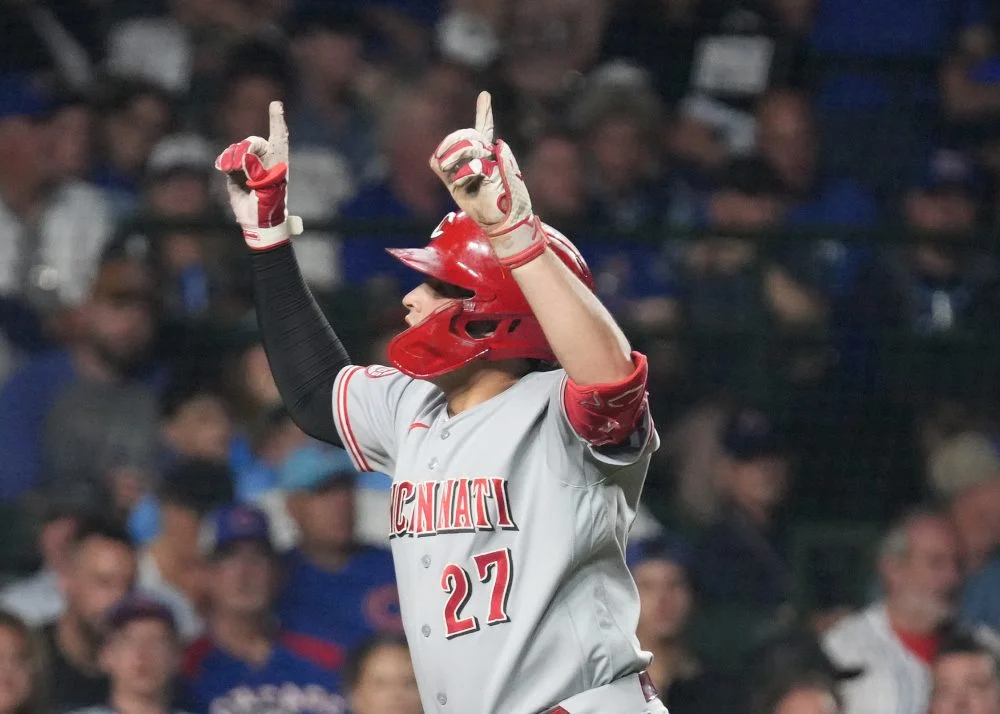
Carson Benge’s rookie season made a strong first impression, but the underlying numbers suggest a more measured outlook. The New York Mets outfielder hit .282/.346/.430, earned a Gold Glove finalist nod in right field and produced 4.3 WAR by both FanGraphs and Baseball-Reference. Baseball Prospectus’ metrics were less bullish, putting him at 2.6 WARP and a 108 DRC+. Those measures don’t cancel out his accomplishments; they show how much a player’s value can depend on what an evaluation counts and how it weighs offense, defense and context.
The disagreement matters because a rookie season can set expectations quickly. A strong batting line and visible defensive plays are easy to remember, while the underlying indicators help estimate how much of that production might carry over. Benge’s first year was good by any of these accounts. The question is whether the results describe a stable level of performance or a high point helped by favorable outcomes.
Results outpaced the underlying profile
The gap between those evaluations comes down partly to how much Benge’s batting average relied on balls finding open space. His .341 BABIP ranked ninth among qualified major leaguers, while his contact quality offers limited reason to expect that figure to persist. He doesn’t hit the ball especially hard or swing especially fast, and his above-average speed falls short of elite. A high BABIP can reflect skill, but it can also make a season’s batting line look better than the contact behind it would suggest.
That doesn’t mean Benge’s season was simply luck. Speed can help a hitter reach base, and a high batting average still reflects the production he actually delivered. But BABIP is a noisy measure: where a ball lands matters, and the number can move even when a hitter’s underlying approach changes little. The case for expecting another .341 rests on more than the final average, and the available profile gives limited support for treating that mark as his normal level.
Benge’s approach is a strength, though not a dominant one. His SEAGER score placed in the 70th percentile, and his in-zone contact rate was in the 66th percentile. His spray profile also offered few signs of unusually favorable placement, and he pulled fly balls at a below-average rate. Taken together, the case for a repeat of that BABIP looks thin. There’s a useful distinction here: competent decisions and contact can provide a foundation, even if they don’t yet point to an elite offensive ceiling.
Here’s the thing: a hitter doesn’t need one exceptional trait to be valuable. But when a season’s results run ahead of its contact quality, the supporting skills need to improve enough to keep the overall production from slipping. That’s the test Benge faces as pitchers adjust and the random variation in balls in play changes direction.
A solid regular, with room to climb
The defensive picture is similarly more restrained in the Baseball Prospectus evaluation. Benge made eye-catching plays and throws in right, but the metrics rated him only slightly above average. Highlight moments can shape how a defender is perceived, while season-long metrics try to account for a wider set of chances. Neither view settles the matter alone, but the measured rating makes it harder to treat defense as a clear carrying skill at this stage.
The contrast captures the central question: his visible tools and rookie production were impressive, yet neither the defense nor the bat currently looks like a clear standout skill against major league competition. That’s a demanding standard, but it matters when projecting how far a player can rise. A collection of useful skills can support a long career; an exceptional tool can change the ceiling.
That limits the most optimistic outcomes. A player without a carrying tool has a harder path to an MVP-level profile, and expectations a year ago left more room for that kind of leap. Still, Benge improved over the course of the season, particularly against high-velocity fastballs. Continued development could offset some regression in his results on balls in play.
That improvement is more significant than it looks. Adjusting to high-velocity fastballs speaks to a hitter’s ability to respond to a problem that can expose weaknesses, though one area of progress doesn’t guarantee a broad offensive leap. The next evidence will be whether that adjustment holds alongside better contact or decision-making. And yet, a developing hitter can improve without turning into a star. Progress can preserve a strong everyday role.
What the projection asks Benge to prove
The current projection points to a very solid long-term regular, with a chance to make an occasional All-Star team and a reasonable possibility of doing so more often. That forecast is optimistic about his staying power while stopping short of assuming a major breakthrough. For a rookie with strong results, that’s a sensible distinction: the floor can be valuable even when the ceiling remains uncertain.
If you’re following Benge’s development, watch whether his contact and decisions keep improving as the easy gains from a high BABIP fade. A repeat of the rookie batting line would be welcome, but it isn’t the only way to establish that he belongs. More dependable contact quality could support productive seasons even if fewer balls find open space.
And that’s the part most people overlook: a player can be better than a cautious forecast and still fall short of the most exciting version of his projection. Benge has already shown enough to be taken seriously as a major league regular. The next step is proving that the foundation is durable. Not a finished profile.
Discussion
Sign in to join the discussion.