Explore the nuances of an RBI checked swing and its significance in baseball strategy, enhancing your game knowledge and appreciation.
The RBI check swing is often more nuanced than just a missed attempt; it reflects essential strategic choices on the field. In crucial situations, players must assess whether to fully commit to a swing or hold back, weighing the implications of each action. This split-second decision can greatly influence the outcome of an at-bat and, by extension, the entire game. The check swing isn't merely a display of hesitation; it can be a well-calibrated response to the pitch, and understanding its depth is fundamental for players and fans alike.
The Decision Process
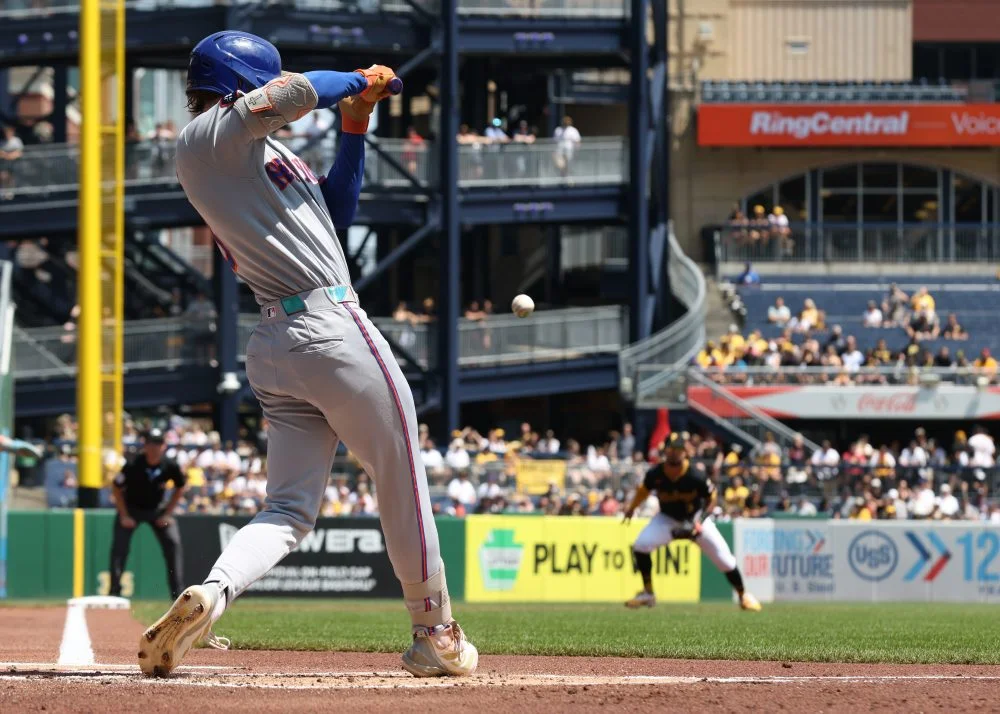
When a batter decides to check their swing, it indicates a split-second assessment of the pitch's trajectory and the count. This decision-making process is critical, particularly in high-pressure moments where scoring opportunities are at stake. The ability to check a swing can differentiate a good player from a great one, as it helps maintain counts in the batter's favor. For instance, a check swing that leads to a ball instead of a strike can change the mentality of a pitcher and shift the dynamics of an at-bat entirely.
In the heat of the moment, a batter's instinct kicks in. They must consider how the pitch is coming in and whether it matches their approach strategy. If a batter sees a pitch that’s tailing away, their instincts might tell them to check their swing, especially if they're ahead in the count. The pressure is palpable in those situations; each decision can either boost a player's confidence or lead to regrets. That split-second judgment, after all, isn’t just about one swing but about setting the stage for the next pitch—or even the next batter.
Interestingly, this mental game isn’t just isolated to the batter. Pitchers and coaches are meticulously observing this behavior to tweak their strategies. They might recognize a hitter’s tendencies with checked swings and adjust their pitch selection accordingly. When you dig deeper, the value of a check swing becomes even clearer: it’s a battle of wits that extends beyond individual performance and into wider team strategy.
Impacts on Game Strategy
Moreover, checked swings can affect not just individual statistics but overall team strategy. A successful check can lead to favorable counts, increasing the likelihood of drawing walks or getting better pitches to hit. Coaches and players alike must recognize how such decisions not only impact a player's performance but also the game's outcome. If you’re working in this space, you know that every run counts, and those runs are often set up by smart decisions in the batter’s box.
The ripple effects of a check swing extend into the dugout. Coaches use these moments to instruct players on recognizing pitch patterns and improving their discipline at the plate. For example, if a player consistently checks swings on outside pitches, it might indicate a need for additional training on pitch recognition or eyes on the ball—vital skills that can transform a team’s offensive capabilities. This is more significant than it looks; those checked swings can mean the difference between closing out an inning strong or leaving opportunities on the table.
Let’s not forget the psychological element. A series of successful checked swings can embolden a hitter and instill fear in a pitcher. This confidence can snowball, leading to increased production and effectiveness. Conversely, a batter who struggles with unchecked swings might find themselves in a frustrating spiral, which can affect not just their performance but the team’s morale as well. (And this is the part most people overlook.) That mental fortitude often trumps even the most proficient technical skills.
Technological Insights
Furthermore, technology is starting to play an increasingly pivotal role in understanding and optimizing check swings. Advanced analytics and motion capture technology offer valuable insights into a player’s performance mechanics. Systems that analyze swing paths and decision-making can provide actionable data for both players and coaches. With these tools, evaluators can pinpoint when a player is most likely to check a swing and under what circumstances this decision is beneficial.
For example, systems that measure a batter's reaction time compared to the pitch velocity can yield fascinating insights. Some teams have begun experimenting with using this data to train players to improve their decision-making at the plate. Coaches can simulate high-pressure scenarios during practice, providing players with feedback on whether they should have committed to a swing or opted to check their action instead. These data-driven approaches could reshape how hitting is taught and refined in the sport.
Future Outlook
Looking forward, the role of checked swings will likely expand as teams embrace more sophisticated statistical analysis and biomechanical training. With the rise of sabermetrics in baseball, the evaluation of check swings will become more nuanced, leading to strategic adjustments not just for individual players but also for entire lineups. Analysts will begin to quantify the long-term impacts of these seemingly minor decisions, making it clear that this is not just a knee-jerk reaction by hitters but a calculated strategic choice.
What this means for you, the reader—whether a fan, analyst, or player—is that we’re only beginning to understand the full implications of the check swing. It’s a fascinating dynamic that reflects the intricate nature of baseball strategy. As technology continues to advance, an increasing focus on the mental and psychological aspects of hitting will emerge, giving rise to new training methodologies and a deeper appreciation for this layer of the game. The future could very well redefine a batter's relationship with their swing, and that should pique the interest of everyone involved in baseball.
Discussion
Sign in to join the discussion.