Explore this week's top pitching prospects, highlighting their potential and performance in the minor leagues.
Your weekly look at notable pitching prospects continues with an update on ten players making waves in the minors. This collection provides insights into emerging talents who could shape their organizations' futures. The significance of identifying and tracking these young arms cannot be overstated, especially as teams plan for both immediate and long-term success. The minor leagues have increasingly become the proving ground for the next generation of Major League Baseball (MLB) pitchers, often reflecting a team’s development strategy and competitive edge.
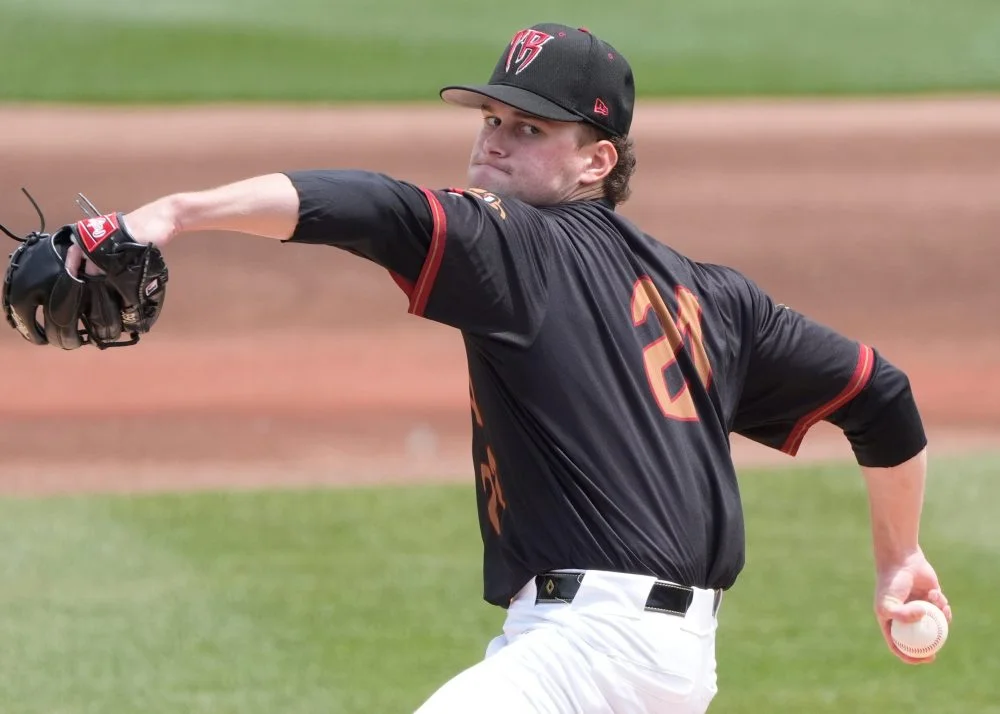
Key Performers in the Minor Leagues
The focus this week is on pitchers who have shown significant development or breakthrough performances recently. In an industry where metrics and analytics reign supreme, these young talents are increasingly evaluated not just by their raw stats but also through advanced metrics that demonstrate their potential. Player development departments are diving deep into analytics, scrutinizing pitch effectiveness, spin rates, and even biomechanics to refine player growth. Their trajectories, metrics, and game strategies illustrate what makes them stand out.
It’s essential to examine not only the performance on the field but the context of their growth. Many prospects are climbing the ranks through a combination of hard work and refined mechanics, often influenced by the latest coaching techniques. One area of development that's becoming more emphasized across the board is mental fortitude. Teams recognize the importance of psychological resilience on the mound, especially in high-pressure situations, which often proves to be make-or-break for a prospect's future.
Prospect Profiles
Expect detailed accounts that analyze each prospect’s pitching arsenal, command on the mound, and potential hurdles they may face in advancing their careers. Each player's development is unique, molded by their backgrounds, training, and the competition they face in the minors. This isn’t just a statistics game; it's also about how pitchers adapt their approaches against different lineups and how they respond to setbacks.
Understanding a prospect's pitch repertoire is critical. For example, a pitcher with a dominant fastball might still need to develop an effective off-speed pitch to succeed at higher levels. Comparisons to previous players can be instructive. Many successful MLB pitchers have either sharpened one key pitch or had their repertoire evolve significantly over the years—from transitioning from fastball-heavy approaches to more varied styles that keep hitters off-balance. This evolution is essential for any prospect hoping to make it to the big leagues. In short, the minors are a lab for experimentation.
Consider how recent changes in MLB rules regarding the shift and substance regulations have impacted how pitchers are evaluated. The league is emphasizing command over brute strength more than ever, leading scouts and teams to rethink their priorities when it comes to assessing and drafting pitching talent. If you’re working in this space, it’s vital to stay acutely aware of these shifts as they can directly influence which prospects gain momentum and visibility. Prospects who adapt well to these evolving standards are more likely to factor into a team's future plans.
Hurdles aren't just external—injuries can derail an otherwise promising career. This is the part most people overlook. The road to the majors is fraught with risks, and injuries can strike at any time, setting back development timelines and affecting a player’s confidence on the mound.
Stay tuned for the continued evolution of these athletes as they work towards their aspirations in professional baseball. Their stories are ongoing - each outing a step toward what could be a significant contribution to MLB teams facing roster challenges and competition in individual talent assessments.
Implications and Future Outlook
As teams invest heavily in scouting and player development, the implications for these pitching prospects stretch beyond mere player evaluations. Front offices are tasked with assessing not just current performance, but potential impact at higher levels. This trend means organizations are increasingly willing to take risks on younger, less proven talent if they show signs of significant upside.
This focus on development could redefine expectations for scouts and analysts, as teams prefer nurturing raw talent rather than relying solely on established veterans. The increasing attention on mental performance as part of pitching development could also change how teams build their rosters in the future—placing greater emphasis on pitchers who can handle the rigors of greater scrutiny and expectations that come with a call-up to the majors.
For fans and analysts alike, tracking these prospects serves a dual purpose: it’s not just about individual performance, but how these young arms fit into the larger puzzle of team strategy. This generational shift may lead to more dynamic and unpredictable outcomes in seasons to come—so keep an eye on these prospects; they may well reshape how we think about pitching talent in baseball.
Discussion
Sign in to join the discussion.