Transaction analysis in baseball highlights how even minor moves can significantly influence a team's aspirations for the season.
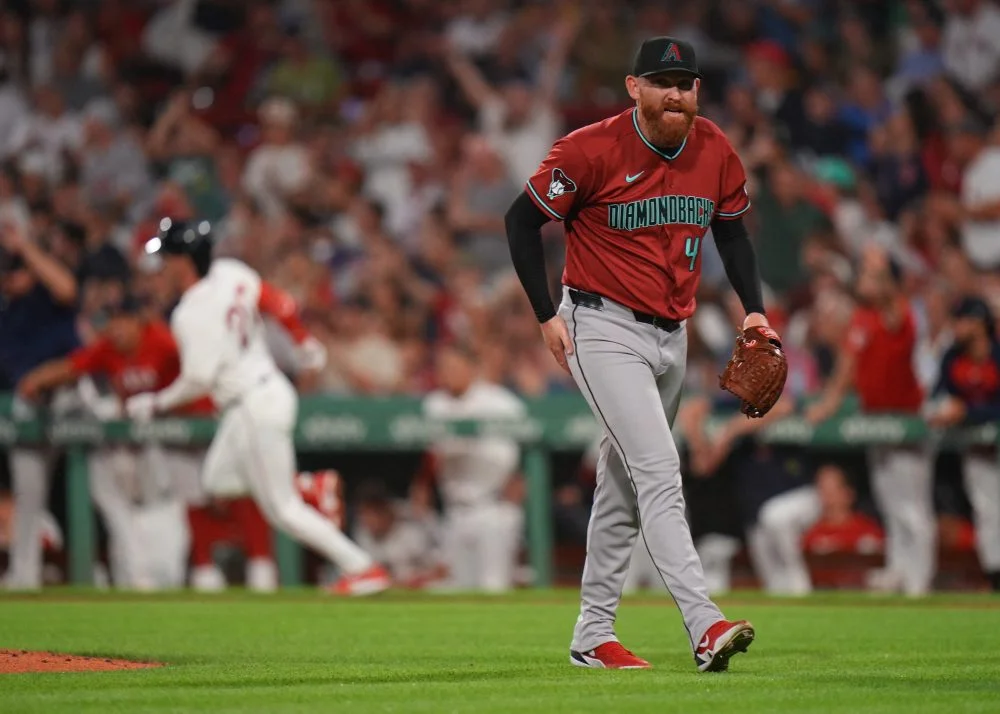
A team's contention often hinges on the details of player transactions, both big and small. In this context, we're seeing how even subtle acquisitions can sway a team's trajectory. For example, the recent move involving Zach Littell illustrates the importance of these decisions; such transactions can redefine expectations for a roster.
The Importance of Player Transactions
At its core, baseball is a numbers game — one that doesn't just focus on batting averages and earned run averages but also on the intricacies of team dynamics and player interactions. The significance of roster changes can't be understated. Subtle shifts can turn a team from a pretender into a contender, and the timeline for success can hinge on the ability to make those right moves. As teams navigate tight budgets and roster limits, the most strategic acquisitions are often those that don’t make headlines but carry significant weight on the field.
Fine-Tuning the Roster
The effectiveness of a ballclub isn’t solely determined by star players. Instead, enhancing depth through strategic transactions can be just as vital. This is a reality that many team managers are beginning to recognize. The right small-scale additions often contribute to fortifying a contender's profile and shaping the overall narrative of the season. Each roster tweak carries implications that can reverberate through a season, influencing performance analytics and team dynamics alike.
Consider how a player like Littell may not be the most glamorous name on the roster, yet his past performance and potential fit within the team’s strategy can resonate deeply. Teams are discovering that these strategic adjustments can provide unexpected benefits: stabilizing the bullpen, shoring up defense, or even boosting run production. While the big-name trades will always capture the headlines, it’s the less publicized moves that often catalyze success in crucial moments.
You Can’t Overlook the Details
As teams gear up for the postseason, it’s essential to scrutinize even minor transactions. These decisions should not be viewed in isolation, but rather assessed for their broader impact on team chemistry and strategy. What might seem like a negligible move could transform team outcomes, particularly in high-stakes scenarios. Players often respond differently to pressure, and blending established talent with new additions can create dynamics that either solidify or fracture a locker room. This interplay is an art form as much as it is a science.
It’s here that role players often step into the spotlight. When the stakes are high, the ability for every member of the roster to contribute becomes paramount. If you're working in this space, you know that team cohesion is equally as significant as individual talent. So, when a team picks up a “fringe” player, it isn’t merely a transaction; it’s an opportunity to reshape the identity of a squad as they push toward playoffs.
The Narrative Behind Transactions
Each player acquisition or movement echoes with stories of past performances and future potential. The reality is every team comprises a tapestry of narratives that define its journey. When analyzing these transactions, observers gain critical insights into the evolving challenges and strategies that shape competitive baseball. For instance, player analytics and historical performance can offer a glimpse into how well a new addition may fit into a team’s existing structure.
But here’s the thing: not all teams are equally adept at making these nuanced moves. Some front offices may get bogged down by the larger trades while neglecting the smaller, yet equally important transactions. The latter can often leave a mark that's as significant as their more newsworthy counterparts.
Implications for Team Strategy
The implications of these subtle transactions ripple beyond just the current season. In a sport where competition is fierce, and margins are slim, the capacity for teams to capitalize on the little things speaks volumes about their operational acumen. Teams that invest in scouting and analytics to identify undervalued talent often find themselves taking a more strategic approach to roster management.
This is more significant than it looks. With the increasing emphasis on analytics in baseball, the potential for a single acquisition to shift a season can’t be dismissed. This is particularly true in a climate where financial resources are limited. Teams managing tight budgets can’t afford to overlook any opportunity for improvement, no matter how minor it seems. Their sustainability often hinges on how well they can refine their rosters through astute management of transactions.
Looking ahead, as teams continue to engage in a balancing act between big-ticket acquisitions and strategic depth pieces, the focus will likely remain on building a roster that excels not just on paper but in synergy. Supporting players, clutch performers, and even those traded for depth can all contribute to a team’s success when it counts the most, proving the old adage that every player matters.
Discussion
Sign in to join the discussion.