Explore essential FAAB strategies and player insights from Week 21 to enhance your fantasy baseball roster management.
The Importance of FAAB in Fantasy Baseball
Fantasy baseball has transformed into a complex ecosystem, with the Free Agent Acquisition Budget (FAAB) system representing one of its key elements. This budget system allows teams to strategically acquire players throughout the season, impacting roster composition and ultimately, the probability of winning in league play. Allocating a limited amount of virtual cash wisely can mean the difference between triumph and defeat, especially as the season progresses and the stakes heighten. In environments where injuries and underperformance are rampant, the FAAB system becomes even more significant.
FAAB systems have largely replaced the traditional waiver wire, making transactions more competitive and engaging. Team managers must not only monitor player performances, but they must also make calculated decisions regarding their budget. Unlike blind bidding in traditional leagues, FAAB requires thoughtful consideration of how much to spend on a player while keeping future acquisitions in mind. This element of strategy adds an intriguing layer to fantasy play—the more engaged the managers are, the more competitive and unpredictable the league becomes.
Recent Trends in Player Performance
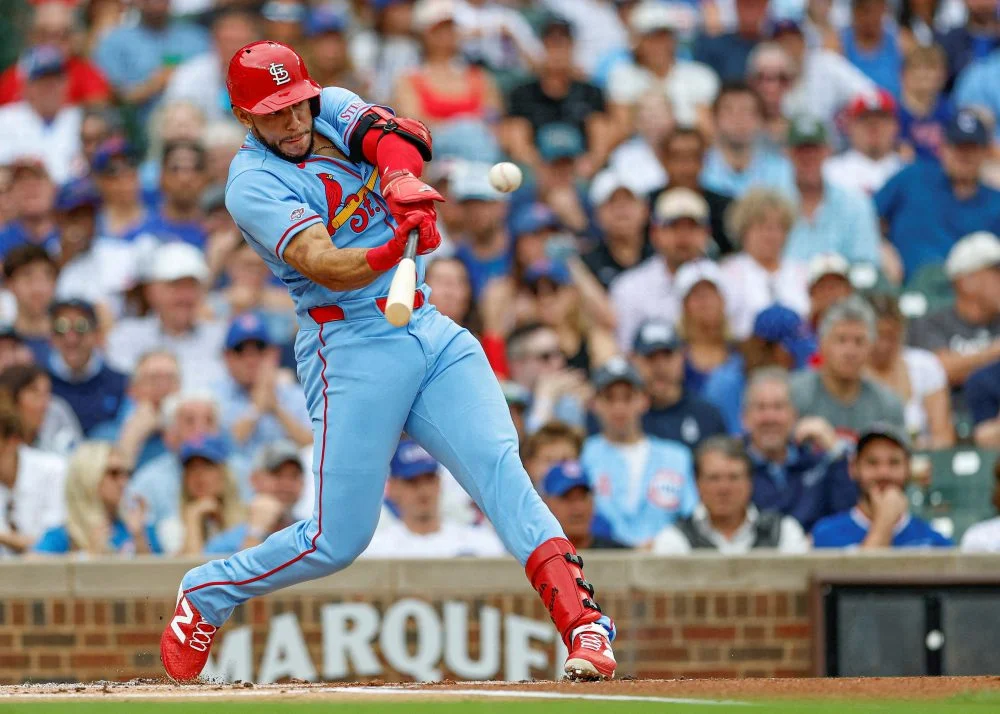
As Week 21 unfolds, certain players have captured the attention of managers. Joshua Baez, particularly, is one such player. Known for his strong offensive capabilities and defensive instincts, Baez is generating buzz, which is a significant uptick from earlier in the season. Managers would do well to explore what makes him a valuable pickup at this juncture. Analyzing his recent hitting percentage, average exit velocity, and on-base percentage can provide deeper insights into his potential contributions.
Injuries throughout the league have also led to a realignment of expectations related to several player positions. When a key player suffers an injury, it often creates a ripple effect, shifting the value of bench players upward. This shift alters FAAB strategies, as lesser-known players may suddenly find themselves stepping into starting roles. If you're working in this space, staying tuned into injury reports and performance trends isn't just helpful—it's essential for making wise acquisition decisions.
Acquisition Strategies and Market Dynamics
With teams navigating their FAAB budgets, understanding the broader market dynamics is just as critical as monitoring individual player stats. Knowing how much other managers are likely to spend can inform your own bidding strategies. For instance, if multiple managers are eyeing a player due to a recent injury or unexpected breakout, it could drive the price up significantly. Being mindful of this can allow you to either pivot to a secondary target or play a waiting game that could yield more effective acquisitions without breaking the bank.
Bid aggressiveness should be influenced by your team's standing. If you're chasing a playoff spot, dishing out more of your budget for a player like Baez might make sense. On the other hand, if your team is comfortably in the playoffs, it might be wiser to conserve funds for future rounds. What this means for you is that your approach to FAAB should be flexible, adapting to both current performance trends and the fluidity of league standings.
There's also a psychological aspect at play when it comes to acquiring players. Managers often have biases toward certain players based on past performances, reputation, and even emotional attachments. This can lead to inflated prices when bids are made, which is something shrewd managers can exploit by identifying players who might be undervalued in a given week.
The Implications for the Remainder of the Season
As we look at the shifts happening during Week 21, it's clear that this is more significant than it looks at first glance. Managers who stay ahead of trends are positioned to forcefully shape their rosters with the right talent. The emergence of players like Baez isn't just a fleeting moment; it signals potential changes in team dynamics. If he continues to perform well, managers who snagged him through a timely FAAB bid could find themselves with a secret weapon in their playoff push.
But what's the takeaway? It’s about strategic foresight. As the season winds down, injuries may become more frequent. Teams with the most well-rounded scouting abilities and sharp acquisition strategies will have the advantage. Managers need to be ready to pivot and adapt to rapidly changing situations. Pay attention to game logs, scouting reports, and player health statuses, because every little nuance can influence your strategy. And this is the part most people overlook—considering how many managers stop optimizing their acquisition processes as the season progresses, leading to missed opportunities.
In essence, the ability to effectively assess the fluid nature of player performances while adopting a long-term perspective on FAAB resources is what could ultimately separate the champions from the also-rans this season.
Discussion
Sign in to join the discussion.