The 2026 postseason has been defined by exceptionally low scores, affecting the dynamics of gameplay and strategies across the league.
The ongoing 2026 postseason is shaping up to be memorable, though perhaps not for the expected reasons. Instead of showcasing high-octane performances, the focus has shifted to the prevalent low scores, a trend that has been weighing on teams trying to secure wins.
Scoring Challenges
Teams are grappling with significant scoring difficulties, which has altered game strategies and player performance expectations. The emphasis on tight pitching battles seems to have overshadowed the explosive hitting fans might anticipate. Pitching depth across many teams has become a formidable challenge for hitters, leading to increasingly lopsided matchups where the arms on the mound dominate the action.
The trend toward low scoring isn't entirely new; baseball has a fluctuating history of offensive droughts and pitching supremacy. During previous seasons, rules changes aimed at enhancing player performances have had mixed results, and similar periods of low offensive output have prompted discussions around the state of the game. Teams today are deploying highly specialized pitchers for specific matchups, a strategy that seems more pronounced in this postseason.
Moreover, the analytics-driven nature of baseball has led to the widespread adoption of defensive shifts and meticulous scouting reports, which further stifle scoring opportunities. Batters, faced with the challenge of adapting to such strategies, often struggle to capitalize on traditional hitting techniques. Consequently, when the postseason lacks the expected offensive fireworks, it raises questions about the future of gameplay and strategy employed by teams.
Impact on Teams
This scoring trend affects not only the teams' immediate results but also influences player choices and match-ups. Managers are faced with the ongoing challenge of re-evaluating their approaches to optimize outcomes within this evolving framework. For instance, how can they get creative? Some teams are bringing in less traditional players in key moments, seeking versatility and unexpected tactics to break through strong pitching lines.
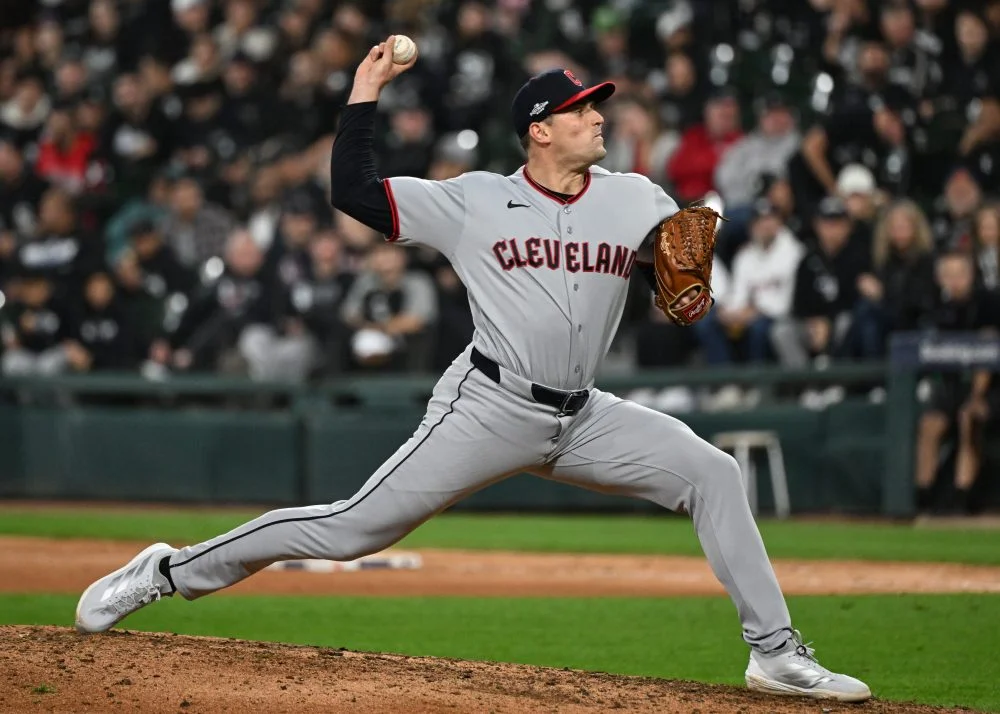
One key consequence of these low-scoring games is the pressure it places on bullpens. Generally, a team needs its relief pitchers to perform at peak levels in tightly contested matchups, increasing the risk of strain or injuries. As managers rely more heavily on their best relievers in these pivotal games, maintaining a stable and healthy bullpen becomes essential to having extended postseason success. If one star pitcher gets sent packing, the consequences can ripple through the team structure.
There's also the psychological toll on players. Batters may find themselves second-guessing their instincts, feeling the weight of their failures every time they step to the plate. This could lead to a domino effect throughout lineups, creating slumps and further compounding the issue of low run production.
Fan Engagement and the Broader Implications
Fans pay for excitement. When high-scoring games become an exception rather than the norm, attendance and viewership may decline. This could potentially shift how franchises allocate resources, not just for player development but also for marketing strategies that attract viewers. Engaging fans who find pitching duels less thrilling than offensive displays may require creative outreach and promotional events.
Another knock-on effect can emerge in terms of broadcasting rights and sponsorship deals. Low-scoring games may fail to generate the buzz advertisers rely on to pitch their products effectively. If viewership numbers dwindle, it could lead to decreased revenues for teams—making it critical for franchises to adapt quickly to meet fan expectations. What this means for you, as a fan, is that the overall experience of live games and broadcasts might undergo substantial change if these patterns continue.
Future Outlook: A Shift in Game Dynamics?
The current trend of low scores may compel teams, coaches, and players to reconsider approaches for the long term. Historically, teams often adjust tactics based on prevailing conditions. If this trend persists, we could see a shift back toward offensive-oriented training and development, with a focus on nurturing power hitters capable of overcoming strong pitching lineups.
As teams take stock of their rosters and strategic frameworks, offseason changes may materialize in an effort to bolster batting capabilities. Perhaps there'll be a resurgence in traditional hitting methods to combat these modern pitching techniques. And then there's the inevitable question: do we cater to the current trends or embrace an unpredictable future? That might just be the crux of the offseason conversations.
The postseason should be a showcase of players at their peak. The question remains: will teams adapt to break through the grasp of this current scoring malaise? The stakes are high, and all eyes are on the teams to see how they respond under pressure.
Discussion
Sign in to join the discussion.