With limited games left in the minor league season, prospects are under pressure to showcase their skills and secure their future.
A select group of minor league players is rapidly approaching the deadline to make a significant impression before the season concludes. As the final weeks tick away, their opportunities to shine are fewer, creating an environment ripe for high-stakes performances.
The High-Stakes Environment in Minor League Baseball
This isn’t just any part of the season; it’s a critical juncture for many minor league players. With each passing game, the pressure mounts. Some players might only have a handful of games left to show what they can do. Historically, the end of a minor league season has been the moment when player evaluations shift into high gear. Decision-makers from major league organizations are on the lookout not just for statistical outputs but for intangibles—how players respond under pressure, work ethic, and adaptability. In many ways, this period serves as a microcosm for the entire sports ecosystem. Teams analyze prospects not only for their current performance but for their long-term potential and fit within the organizational structure. This context creates a unique pressure cooker environment. As the clock ticks down, these athletes must find a way to elevate their game while keeping their nerves in check.Decision-Making at Stake
As teams analyze these prospects to assess their future in the organization, you can bet decision-makers are digging deep, looking for insights that go beyond batting averages and ERA. Observations during these last few weeks can dramatically influence decisions about which players might get promoted to higher leagues or even keep their spots on the roster at all. This phase isn’t just about individual performance; it’s also about strategic planning. Organizations may already be contemplating their rosters for next year, and the evaluations made during this time can lead to contracts being renewed or players being let go. A standout performance now could change a player's career trajectory. If he's seen as a rising star, that can open doors to higher leagues or even make him a trade commodity.The Nature of Player Evaluations
Evaluations in minor league systems often hinge on a mix of statistics and qualitative assessments. Coaches and scouts often look for improvement in critical areas: hitting mechanics, defensive skills, and mental toughness. A player who may have struggled with consistency earlier in the season now has the chance to rewrite his narrative. Here's the thing: stats like batting average or on-base percentage might tell part of the story, but they don't capture everything. Coaches and scouts pay attention to a player’s approach during at-bats, body language while on the field, and how they interact with teammates. Understanding the nuances of performance evaluations is essential for fans and analysts alike. It can be the difference between excitement over a player's future and disappointment when they fall short of expectations.Career Implications for Athletes
For these young athletes, the stakes couldn't be higher in this critical phase. Every game literally counts towards their potential future successes. A roster spot in the major leagues isn’t just about talent; it’s about timing and readiness to perform when it matters most. This isn’t just a highlight reel moment. It's a defining chapter in their careers. Coaching staff may also be more inclined to keep players who can showcase resilience and adaptability. If you're working in this space, whether you’re in sports management, coaching, or scouting, understanding these dynamics could be your ace in the hole. It might help you identify the stars of tomorrow amidst the chaos of player fluctuations.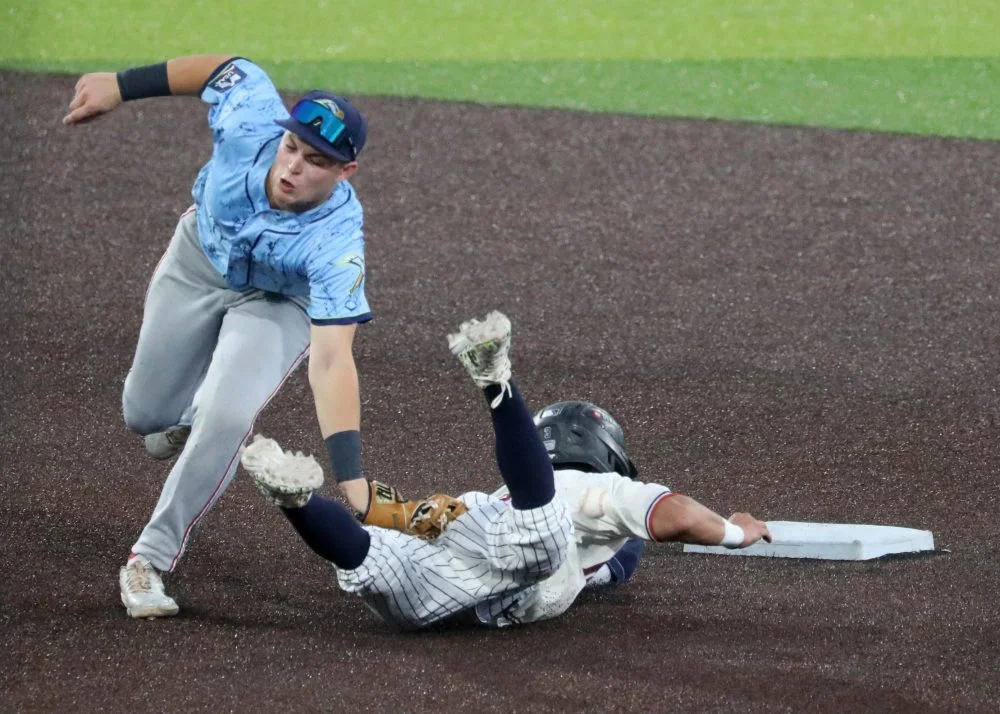
Image credit: USA TODAY Network via Reuters Connect
Discussion
Sign in to join the discussion.