Comparing the Milwaukee Brewers teams of the past and present reveals key insights into their development and performance metrics.
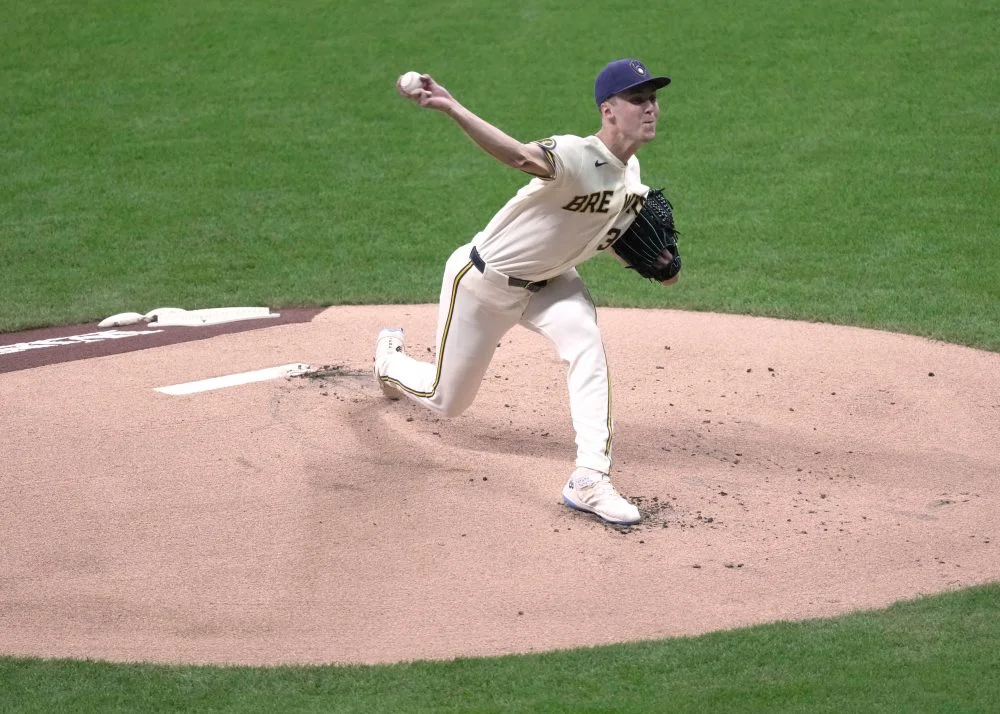
The Milwaukee Brewers have become a point of fascination for fans and analysts alike, particularly when drawing comparisons between different eras of the team. Recent discussions focus on emerging talents like Jacob Misiorowski, who spark comparisons with legendary players from the franchise's history. Analyzing a team's lineage through its players can reveal much about its identity and trajectory, making this topic ripe for exploration.
The Evolution of Talent
This season has seen standout performances that capture the spirit of the 1982 Brewers, a squad that ignited the hearts of fans and set expectations high. That team, known for its potent offense and competitive spirit, captured the American League pennant, and remains a benchmark for future players. Yet, as modern players like Misiorowski rise through the ranks, it’s essential to temper expectations and understand the context in which these comparisons are made.
Baseball is a game steeped in history, and each generation of players brings its own flair and expertise. Misiorowski's emerging talent can evoke memories of old legends, but the realities of the present game differ vastly from those in the past. For example, advancements in training, nutrition, and analytics mean today's players often approach the game with tools and knowledge that previous generations didn't have. Player development now incorporates sophisticated metrics that analyze every aspect of a pitcher's performance, from spin rate to velocity. These metrics offer a new lens through which fans can evaluate a player’s potential and performance.
Expectations vs. Reality
Misiorowski's promise signals an exciting future, yet past generations brought their own unique strengths that shaped the team’s legacy. It's easy to romanticize the past and see only the glories of the 1982 squad; however, every team has its ups and downs. Fans must reconcile nostalgic views with current realities, analyzing performance metrics without losing sight of historical importance.
There's a duality in fandom. You're often drawn to the legacy of previous players, yet you must also recognize the different contexts current players are navigating. For instance, the competitiveness of the leagues today is sharper than what the 1982 team faced. If you're working in this space, it’s vital to consider how players like Misiorowski are competing in a different atmosphere—one filled with advanced analytics, strict pitch counts, and a greater emphasis on specialization.
The debate over these comparisons often hinges on both statistical analysis and subjective sentiment. Acknowledging both the historical context and current talent levels can foster a deeper understanding of the Brewers' trajectory moving forward. Looking at historical statistics alongside modern analytics, it's evident that players in different eras had unique challenges and opportunities that shaped their paths. And this is the part most people overlook. For example, while a 24% strikeout rate might seem troubling by today’s standards, such metrics would have been almost unfathomable in the past, indicating a significant evolution in pitching strategies.
Analytics in Player Development
Modern technology has completely transformed how teams scout and develop players. The integration of data analytics plays a significant role in player evaluation, offering insights that can be pivotal for player development. Teams are employing extensive video analysis, biomechanics, and even virtual reality to train prospects. In this light, Misiorowski embodies a bridge between the traditional game and the new. As his development continues, how he embraces this technology could dictate whether he finds his place alongside the franchise's greats.
Moreover, player performance can now be scrutinized in real-time. If Misiorowski falters on the mound, immediate adjustments can be made thanks to technologies like Pitch tracking systems. Before, such analysis would take days or weeks, leaving little room for rapid improvement. This presents fascinating implications for player emergence: earlier identifications of both strengths and weaknesses allow younger players to ascend quickly. For fans, watching Misiorowski adapt and refine his skills as he progresses in the minor leagues and potentially reaches the majors becomes a compelling narrative.
Implications for the Franchise
The Brewers' current trajectory will be shaped by how well they embrace their promising talents in the context of their historical legacies. The fans' expectations will inevitably evolve as players like Misiorowski become an integral part of their roster. This does raise an interesting question: How closely can the franchise replicate its past successes while adapting to the present? If the Brewers want to see any resemblance to the glorious 1982 roster, they’ll need to strike a balance between honoring their history and leveraging the modern game’s insights.
What this means for you as a fan or analyst is that the comparisons with legendary figures should be made cautiously. When discussing who Misiorowski might resemble from the past, ensure that you contextualize it with metrics and approaches that are prevalent today. The excitement surrounding his potential should not obscure an honest assessment of challenges he may face. With the right support, tools, and time, Misiorowski could indeed carve out a niche for himself. But like all great players, he’ll need more than talent alone; he’ll need the infrastructure of a revised and responsive player development system backing him.
In the end, watching this narrative unfold offers a reflective view of the past while keeping one foot firmly grounded in the present. The Brewers are at a pivotal moment where they must navigate the demands of nostalgia while pushing forward with a new generation. If they manage to blend these aspects, fans might just find another reason to cheer for the team—beyond just the stats and accolades, but also for what they represent in the ongoing story of baseball.
Discussion
Sign in to join the discussion.