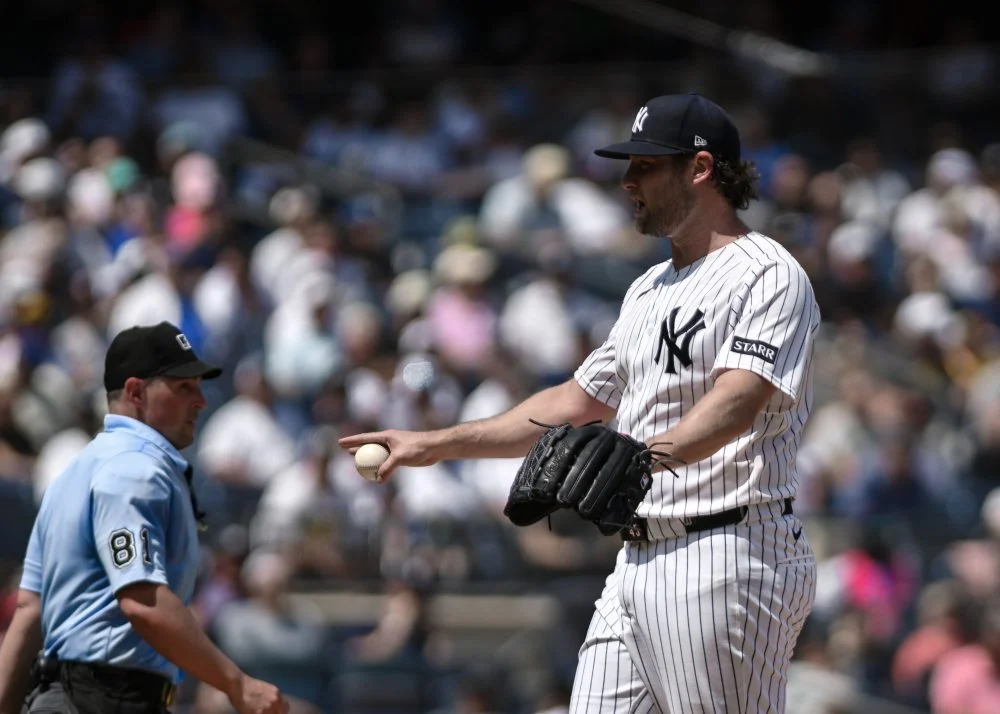
Explore how Gerrit Cole has transformed his game in the 2026 season, showcasing improved performance and adaptability on the mound.
Gerrit Cole's evolution as a pitcher is evident in the 2026 season, where he's rediscovered his competitive edge and honed his skills. Known for his potent fastball and sharp breaking pitches, Cole has adapted his approach to maintain effectiveness, even when facing off against formidable lineups.
Understanding Cole's Pitching Evolution
Gerrit Cole isn't just another pitcher in Major League Baseball; he's a case study in how a player can evolve over time. Every seasoned athlete must navigate the challenges of competition, injuries, and changes in baseball tactics. Cole's ability to adapt his skill set speaks to the current era in which analytics and coaching strategies intersect to transform player performance. The 2026 season highlights not just a resurgence but a strategic recalibration.
His fastball has always been a weapon, but as hitters become increasingly adept at recognizing pitch types and speeds, Cole has had to refine his technique. This doesn't merely include mixing his pitches more effectively but understanding the tendencies of the batters he faces. For example, developing a nuanced understanding of how to use his breaking ball can create uncertainty in the minds of hitters, disrupting their timing and approach.
Increased Strikeout Rates and Their Implications
This season, his strikeout rate has notably increased, a reflection of his commitment to improving his craft. But why is this significant? High strikeout rates are often associated with a pitcher's ability to dominate in crucial moments. When Cole strikes out batters at an elevated rate, it not only demoralizes the opposing team but also positions him as an essential player in high-leverage situations. His dedication to refining techniques translates into tangible performance metrics.
Discussing his approach with team coaches reveals Cole's acknowledgment of mental resilience as an unsung hero in performance. He’s not just postponing decline with sheer physical talent; he’s working from a place of strategic insight. This mental aspect can often be overlooked. You might be thinking about the physical skills required in a game, but mental fitness can be just as, if not more, important. Athletes frequently cite the psychological element as a game-changer, affecting everything from focus to decision-making on the mound.
The Role of Fitness and Recovery
Alongside his technical adjustments, Cole's off-field commitment to fitness and recovery has aided in preventing injuries, furthering his capacity to pitch deep into games. This emphasis on longevity in a physically demanding sport can't be underestimated. Recovery protocols, nutrition, and physical training are becoming just as integral to a player's preparation as practice on the field. Many young pitchers suffer injuries that can truncate their careers, emphasizing how critical it is to build a sustainable approach.
Modern training regimens—including increasingly popular techniques like cryotherapy, Pilates, and tailored strength programs—enable pitchers to maintain peak physical condition as the long season drags on. Cole's discipline in this area serves as a model for other athletes. If you're working in this space, consider this: the new generation of players increasingly recognizes that success isn't just about skill; it's also about how those skills are managed over time.
Peer Comparisons and Industry Context
When comparing Cole to his peers, you're likely to find that other pitchers have faced similar transitions in their careers. For instance, pitchers like Max Scherzer and Justin Verlander have also embraced a more cerebral approach to the game as they aged. They've adapted their pitches and strategies, balancing their powerful arms with an acute understanding of their opponents. This trend reflects broader changes in the industry, where coaching has evolved to center around data-driven decisions rather than intuition-based approaches alone.
The rise of analytics in baseball has undeniably played a role in these evolutions, as teams employ data scientists to dissect every facet of a player’s performance. Game footage and sophisticated metrics enable players like Cole to dissect their own outings, learning what worked and what didn’t. They’re not merely throwing the ball; they’re executing a carefully crafted plan for each opponent. The complexity of this modern game warrants a look beyond the surface to appreciate the depths of preparation required each day.
Future Outlook and Implications
As the season progresses, the dominance of pitchers like Gerrit Cole may usher in a new phase in how organizations build their rosters. Teams often look to acquire talent that's not just physically strong but also mentally resilient and adaptable to the inevitable shifts in the game. What this means for you—whether you're a fan, an analyst, or a player—is that the focus on multi-dimensional skillsets is likely to grow.
With advancements in training and analytics, the way we look at pitching talent is shifting. A pitcher who understands not just how to throw a strike but how to read a lineup becomes invaluable. Cole stands at the forefront of this evolution, highlighting how preparation, mindset, and physical capacity interlink to shape performance. His journey reflects not just personal growth but a systemic change in baseball itself.
Discussion
Sign in to join the discussion.